

The connection between dental hygiene and heart disease is stronger than many people realize. What happens in your mouth doesn’t stay there; it can directly impact your overall health, especially your heart. Scientific research shows that harmful oral bacteria, untreated gum disease, and chronic inflammation can travel through the bloodstream and contribute to serious conditions like cardiovascular disease.
Understanding this link is essential for prevention. While most people focus on brushing to avoid cavities, proper oral hygiene also plays a critical role in protecting against long-term health risks such as heart disease, stroke, and even endocarditis. This guide explains how your daily habits influence your heart and how you can take control of both your oral and overall health.

How Oral Health Is Connected to Heart Disease
To understand the relationship between dental hygiene and heart disease, it’s important to look at how bacteria and inflammation move beyond the mouth. Your oral environment is closely connected to your bloodstream, making it easier for infections to spread if left untreated.
The role of oral bacteria in the bloodstream
Your mouth naturally contains millions of bacteria, but when plaque builds up due to poor dental hygiene, harmful bacteria can enter the bloodstream through inflamed or bleeding gums. This condition, sometimes referred to as a bloodstream infection, allows bacteria to travel to the heart and other organs.
Over time, this bacterial spread increases the risk of complications, especially in individuals with weakened immune systems or existing heart conditions. This explains how oral bacteria affect the heart and why consistent oral care is essential.
How inflammation affects the heart
Chronic inflammation is one of the key links between oral health and cardiovascular disease. When your gums are infected, your body triggers an immune response, leading to prolonged inflammation.
This systemic inflammation can damage blood vessels and contribute to the development of heart-related conditions. Research shows a clear connection between inflammation and cardiovascular disease, making gum health a priority beyond just oral care.
The link between gum disease and cardiovascular disease
Conditions like gingivitis and periodontitis are not just localized oral issues, they are strongly associated with heart disease. Advanced gum disease allows bacteria to penetrate deeper tissues, increasing systemic exposure.
Studies suggest that people with gum disease are more likely to develop heart complications, reinforcing the importance of preventive care in both general dentistry and overall health management.
Read more: “Top 10 Dental Hygiene Tips for Scarborough Residents”
The Science Behind the Oral-Systemic Connection
The relationship between dental hygiene and heart disease is supported by growing scientific evidence. Researchers have identified biological pathways that explain how oral infections can influence cardiovascular health.
From plaque buildup to atherosclerosis
When bacteria from plaque enter the bloodstream, they can contribute to the formation of fatty deposits in arteries, a condition known as atherosclerosis. This buildup narrows blood vessels and restricts blood flow to the heart.
This process highlights the plaque bacteria bloodstream risk, showing how something as simple as untreated plaque can escalate into serious cardiovascular problems.
Periodontitis and increased heart risk
Periodontitis, an advanced form of gum disease, has been closely linked to an increased risk of heart conditions. The deeper the infection, the more likely bacteria and inflammatory markers will spread throughout the body.
This connection also explains the periodontal disease and stroke risk, as reduced blood flow and inflammation can affect brain health as well.
Risk of stroke and endocarditis
Oral bacteria can also contribute to life-threatening conditions such as stroke and endocarditis, an infection of the heart’s inner lining. These risks are especially high in individuals with untreated oral infections.
Maintaining strong preventive dentistry habits significantly reduces the likelihood of these complications.

Major Risk Factors That Link Oral Health to Heart Disease
Several lifestyle and health factors increase the connection between dental hygiene and heart disease. Understanding these risks can help you take proactive steps toward prevention.
Poor oral hygiene habits
Inconsistent brushing, skipping flossing, and neglecting dental visits allow bacteria to thrive. Over time, this leads to plaque buildup, gum inflammation, and increased cardiovascular risk.
Even with access to general dentistry, poor daily habits remain one of the biggest contributors to both oral and heart health issues.
Smoking and lifestyle factors
Smoking significantly worsens both oral and cardiovascular health. It weakens the immune system, reduces blood flow to the gums, and accelerates the progression of gum disease.
Combined with poor diet and stress, these habits create a high-risk environment for developing chronic conditions.
Diabetes and immune system response
People with diabetes are more prone to infections, including gum disease. At the same time, chronic oral infections can make blood sugar levels harder to control.
This two-way relationship highlights the role of the immune system in managing both oral and systemic health.
Read more: “The Surprising Link Between Your Gums and Heart Health”
How Dental Hygiene Helps Prevent Heart Disease
Focusing on dental hygiene and heart disease prevention means adopting smarter habits rather than relying on occasional care. Consistency is the key to reducing both oral and cardiovascular risks.
Brushing and flossing techniques that matter
Proper brushing with a soft-bristled toothbrush and daily flossing removes plaque effectively without damaging enamel. Many people ask, can brushing prevent heart disease? While brushing alone isn’t enough, it plays a crucial role when combined with a complete routine.
Flossing is particularly important because it targets areas where bacteria accumulate and where toothbrushes cannot reach.
Professional cleanings and early detection
Regular dental visits allow professionals to remove hardened plaque and detect early signs of gum disease. Preventive care reduces the need for advanced procedures like root canal treatments or tooth extraction caused by severe infections.
Early intervention is a cornerstone of Periodontics, helping control inflammation before it spreads.
Reducing inflammation through oral care
Consistent oral care reduces bacterial load and prevents chronic inflammation. This not only protects your teeth but also lowers your overall risk of developing cardiovascular disease.
The Best Care for Your Smile and Your Heart
At Lawrence Dental Centre, we believe that preventive dental hygiene is the best way to protect both your smile and your heart. If you’ve noticed bleeding gums, persistent inflammation, or other oral health concerns, schedule a check-up with our experienced team today.
Signs Your Oral Health May Be Affecting Your Heart
Your body often provides warning signs when oral health begins to impact systemic health. Recognizing these symptoms early can prevent serious complications.
Bleeding gums and chronic inflammation
Frequent gum bleeding is a common sign of gingivitis or periodontitis. Persistent inflammation indicates that bacteria are actively affecting your oral tissues.
Ignoring these signs increases the risk of bacteria entering the bloodstream and impacting heart health.
Persistent bad breath and signs of infection
Chronic bad breath may indicate an underlying infection or plaque buildup. These conditions are often linked to bacterial overgrowth and poor oral hygiene. Seeking emergency dental care in severe cases can prevent the spread of infection.
When to see a dentist or doctor
If you experience gum pain, swelling, or sensitivity, it’s important to seek professional care. Early diagnosis can prevent complications that may affect both oral and cardiovascular health.
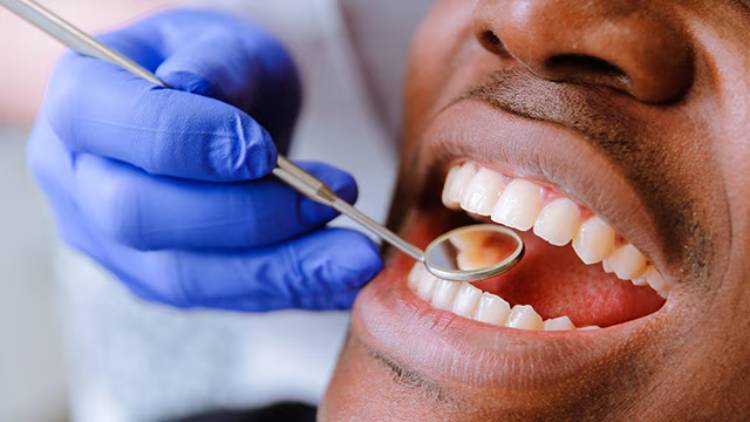
Best Daily Habits for a Healthy Mouth and Heart
Building consistent habits is the most effective way to protect yourself from both oral and systemic diseases. Small daily actions can make a significant difference over time.
Oral hygiene routine (daily care)
Brush twice daily, floss regularly, and use fluoride-based products. These simple steps form the foundation of strong oral hygiene habits for heart health.
Teaching these habits early through children’s dentistry also helps establish lifelong health benefits.
Diet and nutrition for oral and heart health
A balanced diet low in sugar supports both oral and cardiovascular health. Foods rich in calcium and antioxidants strengthen enamel and reduce inflammation.
Limiting sugary snacks helps control bacterial growth and supports overall wellness.
Hydration and saliva protection
Staying hydrated supports saliva production, which naturally cleanses the mouth and neutralizes acids. Saliva plays a critical role in protecting both teeth and gum tissues.
Patient-Centered Dental Care at Lawrence Dental Centre
At Lawrence Dental Centre, we provide comprehensive, patient-focused services including general dentistry, restorative dentistry, and preventive treatments tailored to your oral health needs. While this article is designed to educate you about the connection between oral health and heart conditions, it is not a substitute for professional diagnosis or treatment. Every patient’s condition is unique, and a thorough clinical evaluation by a qualified dental professional is essential to ensure safe, effective, and personalized care.
Read more: “What Does an Endodontist Do to Treat Tooth Infections?”
A Healthier Smile Means a Healthier Heart
Maintaining strong dental hygiene and heart disease prevention habits goes far beyond keeping your teeth clean; it plays a vital role in protecting your overall health. Research shows that chronic oral infections and inflammation are linked to systemic conditions like heart disease, stroke, and atherosclerosis, highlighting the importance of oral‑systemic health connections. According to a review in the Journal of the American Heart Association, oral health plays a significant role in systemic inflammation and cardiovascular risk, reinforcing the need for consistent preventive care.
The connection between your mouth and heart is clear: healthy gums and clean teeth contribute to a healthier body. By prioritizing preventive care, reducing harmful bacteria, controlling inflammation, and making smart lifestyle choices, you can protect both your smile and your heart for years to come.
FAQ
1. Can poor oral hygiene cause heart disease?
Poor oral hygiene increases inflammation and bacterial spread, which may contribute to cardiovascular conditions.
2. Is gum disease linked to heart attacks?
Yes, studies show a strong association between periodontal disease and increased heart attack risk.
3. Can treating gum disease improve heart health?
It may reduce systemic inflammation, lowering cardiovascular risk factors and helping improve overall circulation and heart function over time.
We’d love to hear from you! Have you noticed any connections between your oral hygiene and heart health? Share your experiences or questions about gum disease, inflammation, or preventive care in the comments below. Your insights could help others take steps toward a healthier smile and a stronger heart.
