
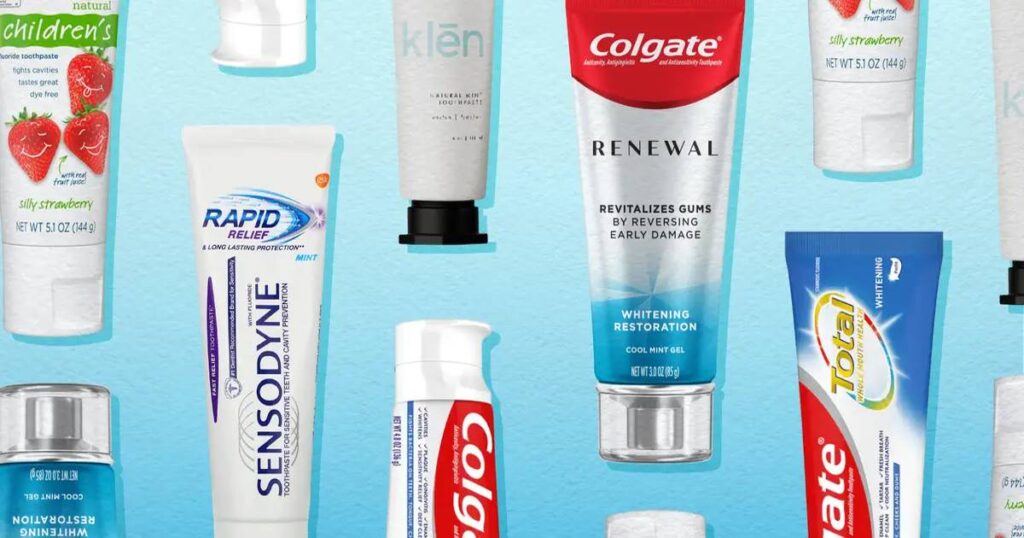
Choosing the right toothpaste is no longer a simple decision; it’s one of the most important steps in protecting your long-term oral health. With new formulas, advanced ingredients, and evolving research in preventive dentistry, the best toothpaste 2026 options are more personalized than ever. Dentists today emphasize ingredient-based selection rather than marketing claims, focusing on what truly helps prevent tooth decay, reduce gum disease, and improve overall oral hygiene.
Backed by expert insights and modern dental science, this guide will help you understand what makes a toothpaste truly effective and how to choose the one that fits your unique dental needs.
What Makes a Toothpaste “Best” in 2026?
Today’s definition of the best toothpaste 2026 goes beyond basic cleaning. It’s about combining clinically proven ingredients with targeted benefits that align with your specific oral health condition.
Key ingredients dentists recommend
Dentists consistently recommend toothpastes that include scientifically validated ingredients designed to protect enamel and prevent disease. The most important include:
- Fluoride: The gold standard for preventing cavities and strengthening enamel
- Hydroxyapatite: A newer alternative that helps rebuild enamel naturally
- Potassium nitrate: Ideal for reducing tooth sensitivity
- Baking soda: Helps gently remove stains and balance oral pH
These ingredients are widely used in general dentistry because they directly address the most common dental concerns patients face daily.
Fluoride vs hydroxyapatite explained
There’s an ongoing discussion about fluoride vs hydroxyapatite toothpaste, and both have strong benefits.
Fluoride works by remineralizing enamel and making teeth more resistant to acid attacks, making it highly effective in preventing tooth decay. Hydroxyapatite, on the other hand, mimics the natural structure of enamel and helps repair microscopic damage.
In modern dental hygiene routines, dentists often recommend fluoride for high cavity risk patients, while hydroxyapatite can be a great option for those seeking a more natural approach.
Matching toothpaste to your dental needs
Not all toothpastes are created equal, and choosing the best toothpaste 2026 depends on your individual oral health condition.
If you suffer from sensitivity, gum inflammation, or frequent cavities, your toothpaste should target those issues specifically. Dentists in periodontics often emphasize that using the wrong toothpaste can worsen gum problems, while restorative treatments like a root canal or tooth extraction often require specialized post-treatment care products.
The Best Toothpastes of 2026 (Dentist Recommended)
After reviewing expert recommendations and industry-leading formulations, here are the top categories for the best toothpaste 2026 based on different needs.
Best overall toothpaste
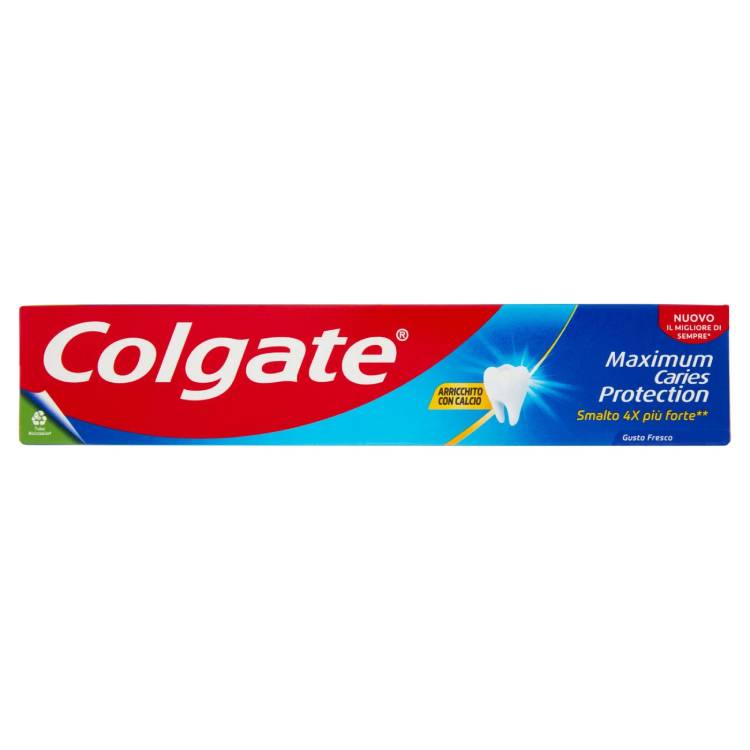
The best overall toothpaste balances cavity protection, enamel strengthening, and freshness. Brands like Colgate and Crest continue to lead with fluoride-based formulas that are widely trusted by dental professionals. These options are ideal for daily use and form the foundation of effective oral hygiene routines.
Best for sensitive teeth
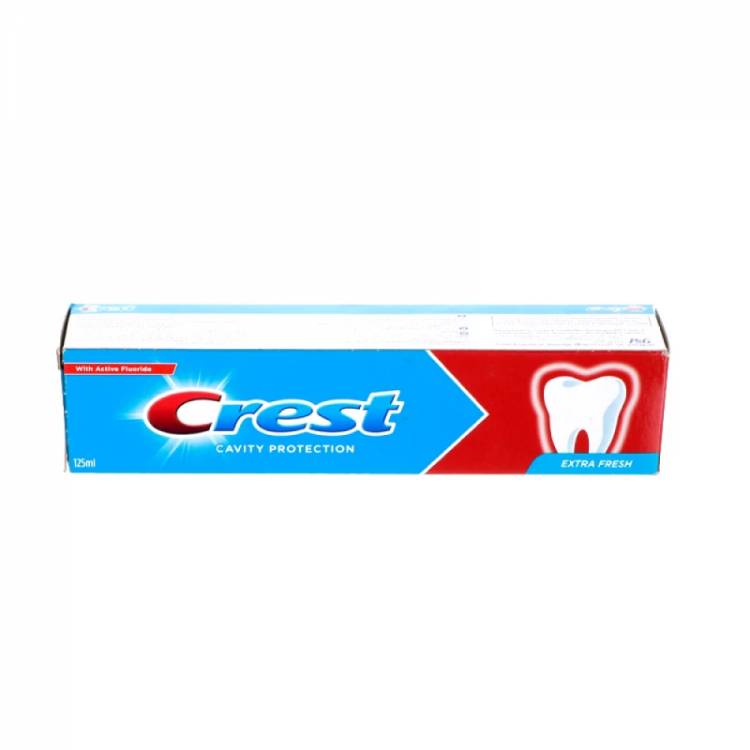
If you experience discomfort with hot or cold foods, the best toothpaste for sensitivity includes ingredients like potassium nitrate or stannous fluoride.
Sensodyne is one of the most recommended brands by dentists for reducing sensitivity over time while still protecting against cavities.
Best for whitening
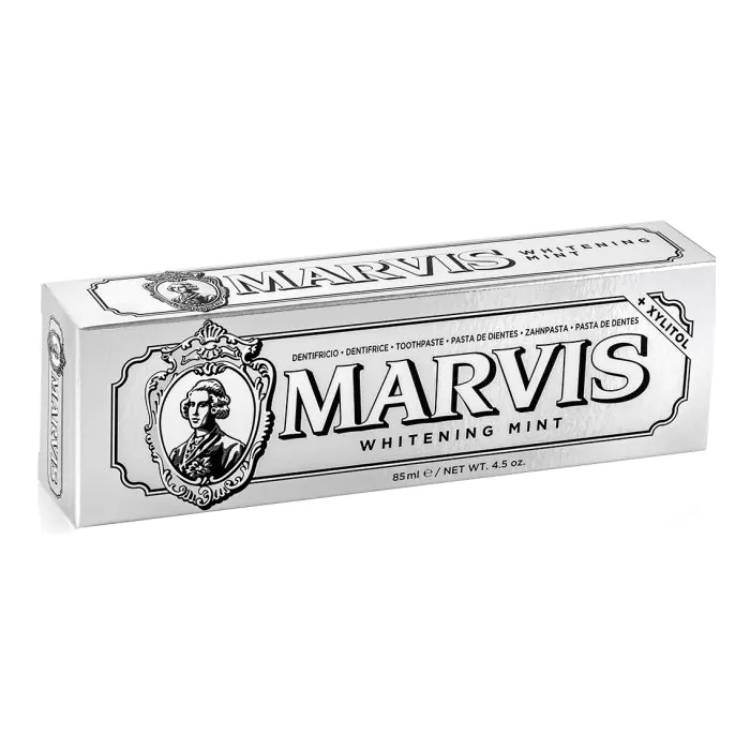
The best whitening toothpaste focuses on removing surface stains without damaging enamel. Many formulas include mild abrasives like baking soda or polishing agents.
Marvis offers premium whitening options, while other brands use peroxide-based formulas for more noticeable results.
Best for gum health
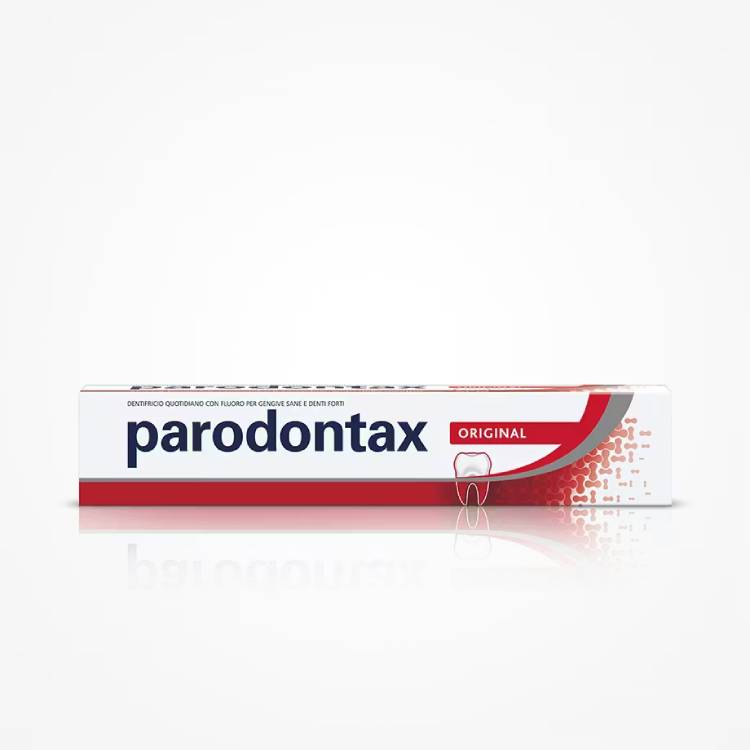
For those dealing with bleeding gums or early gum disease, specialized toothpaste is essential.
Parodontax is formulated specifically for gum health, helping reduce inflammation and improve gum strength, often recommended in periodontics care plans.
Best natural toothpaste
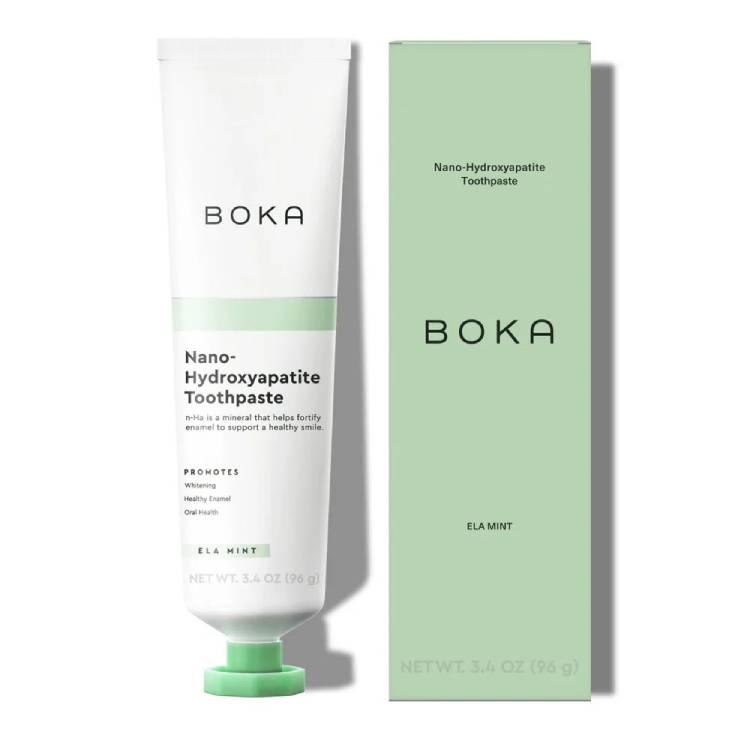
The demand for natural toothpaste vs fluoride alternatives has grown significantly.
Boka uses hydroxyapatite instead of fluoride, making it a popular choice for those seeking a gentler, more natural option while still supporting enamel repair.
Read more: “Is Your Teen’s Vaping Habit Secretly Destroying Their Teeth?”
How to Choose the Right Toothpaste for You
Selecting the best toothpaste 2026 requires more than picking a popular brand, it involves understanding your personal dental needs and risks.
Based on sensitivity, cavities, or gum issues
If you have frequent cavities, fluoride toothpaste is essential. For tooth sensitivity, look for desensitizing formulas. If your gums bleed or feel inflamed, choose toothpaste designed for gum care.
Patients undergoing restorative dentistry treatments often need tailored products to support healing and long-term results.
Ingredients to avoid
Some toothpaste ingredients may be too harsh or unnecessary, especially for sensitive individuals. These include:
- High-abrasion whitening agents
- Artificial additives that may irritate gums
- Overly strong flavoring agents
Choosing a balanced formula is key to maintaining consistent oral hygiene without causing harm.
ADA approval and safety standards
Always look for products that meet recognized dental safety standards. While not all effective toothpastes carry official seals, dentist-recommended formulas typically align with strict safety and efficacy guidelines.
This is particularly important for families and children’s dentistry, where safety and gentle care are critical.
Read more: “How Often Should You Get a Professional Teeth Cleaning in Toronto?”
Common Toothpaste Ingredients Explained
Understanding what’s inside your toothpaste helps you make smarter decisions and achieve better results.
Fluoride and cavity prevention
Fluoride remains the most effective ingredient for preventing tooth decay. It strengthens enamel and protects against acid damage caused by bacteria.
In both routine checkups and emergency dental care, fluoride-based protection plays a crucial role in preventing further damage.
Hydroxyapatite for enamel repair
Hydroxyapatite is a naturally occurring mineral that helps rebuild enamel at a microscopic level. It’s especially useful for people looking for fluoride alternatives without compromising effectiveness.
This ingredient is gaining popularity in the best toothpaste 2026 category due to its biocompatibility and gentle action.
Whitening agents and abrasives
Whitening toothpastes rely on mild abrasives or chemical agents to remove stains. While effective, overuse can wear down enamel.
Dentists recommend moderation and pairing whitening toothpaste with regular professional care to maintain safe results.
Get Expert Advice for a Healthier Smile
Your oral health deserves more than guesswork. Our experienced dental professionals are here to guide you with personalized, evidence-based recommendations tailored to your unique needs. Whether you’re choosing the right toothpaste, managing sensitivity, or improving your daily dental hygiene routine, we’re ready to help you make the best decisions for long-term oral health.
Mistakes People Make When Choosing Toothpaste
Even with so many options available, many people still make common mistakes when selecting toothpaste.
Choosing based on marketing only
Bright packaging and bold claims don’t always reflect effectiveness. The best toothpaste 2026 is determined by ingredients, not branding alone.
Ignoring dental conditions
Using the wrong toothpaste can worsen issues like sensitivity or gum disease. For example, a whitening toothpaste may aggravate sensitive teeth if not chosen carefully.
Overusing whitening products
Excessive use of whitening toothpaste can lead to enamel erosion and increased sensitivity. Balance is essential for long-term oral health.
Comprehensive Dental Care & Professional Services
At Lawrence Dental Centre, our recommendations are based on clinical expertise and patient-centered care. While this guide provides general advice on choosing toothpaste, it does not replace professional diagnosis or treatment. Our team offers a full range of services, including preventive care, cosmetic treatments, and specialized procedures tailored to individual needs. For personalized recommendations and comprehensive dental care, we encourage patients to consult directly with a qualified dental professional.
Your Perfect Toothpaste Depends on You
There is no single universal answer to the best toothpaste 2026, because the right choice depends on your unique dental needs. Whether you’re focusing on preventing cavities, managing sensitivity, or improving gum health, the key is choosing a toothpaste with proven ingredients and using it consistently.
Dentist-recommended formulas, combined with good brushing habits and regular checkups, remain the foundation of lifelong oral health. In fact, clinical research published on PubMed highlights that consistent use of effective toothpaste, especially those containing remineralizing agents like fluoride, plays a critical role in reducing enamel demineralization and preventing long-term dental damage.
Investing in the right toothpaste today can help you avoid complex procedures tomorrow and keep your smile healthy for years to come.
Read more: “Beyond the Brush: Oral Health Products a Canadian Dentist Recommends”
FAQ
1. What is the best toothpaste recommended by dentists?
Toothpastes with fluoride or hydroxyapatite are most commonly recommended because they effectively protect enamel and help prevent cavities.
2. Is fluoride toothpaste safe?
Yes, fluoride toothpaste is safe and clinically proven to strengthen enamel while significantly reducing the risk of tooth decay when used as directed.
3. What toothpaste is best for sensitive teeth?
Toothpastes containing potassium nitrate or stannous fluoride are best for sensitive teeth as they help block pain signals and protect exposed dentin.
We’d love to hear from you! Have you found a toothpaste that works best for your sensitivity, whitening, or gum health? Share your experiences or questions about fluoride, hydroxyapatite, or daily dental hygiene in the comments below. Your insights could help others make informed choices for a healthier, brighter smile.
