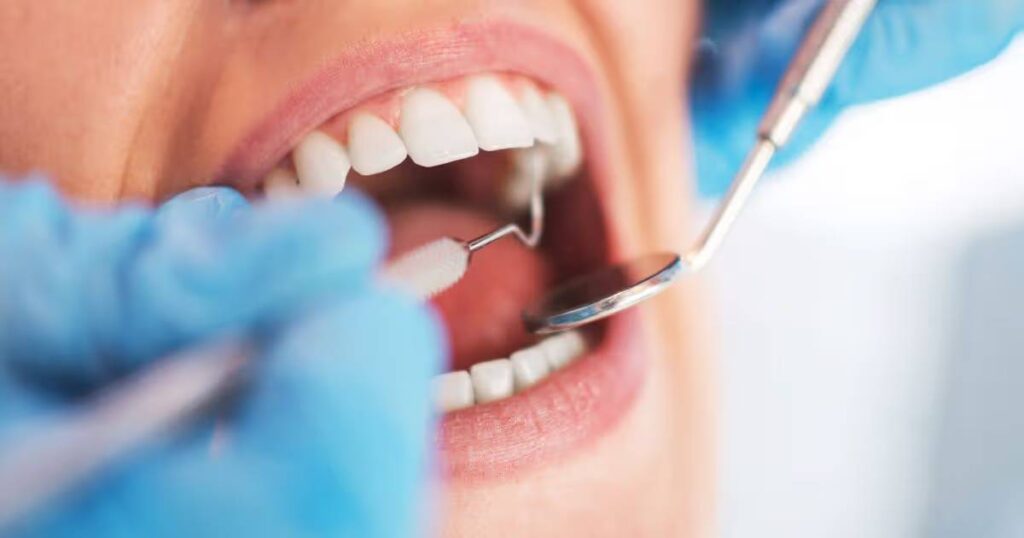
Taking care of your teeth doesn’t stop when you leave the dentist’s office. In fact, what you do at home every day plays the biggest role in protecting your smile. Following the right oral hygiene tips can help prevent common dental problems and keep your teeth and gums healthy between appointments.
From daily habits to diet choices, maintaining good dental hygiene is essential for preventing issues like tooth decay and gum disease. In this guide, we’ll explore practical, dentist-approved strategies to help you maintain excellent oral health at home.
Why Oral Hygiene Tips Matter for Your Dental Health
Your daily routine has a direct impact on your long-term dental health. Even with regular professional cleanings, neglecting your at-home care can allow problems to develop quickly.
Bacteria naturally form Plaque on your teeth every day. Without proper care, this buildup can lead to cavities and gum disease. Following consistent oral hygiene tips helps control bacteria, protect your teeth, and reduce the risk of needing more complex treatments in the future.
Good oral care also supports overall health. Research-backed guidance from clinics like Lawrence Dental Centre emphasizes that preventive care is the foundation of long-term dental wellness.
Essential Daily Oral Hygiene Tips
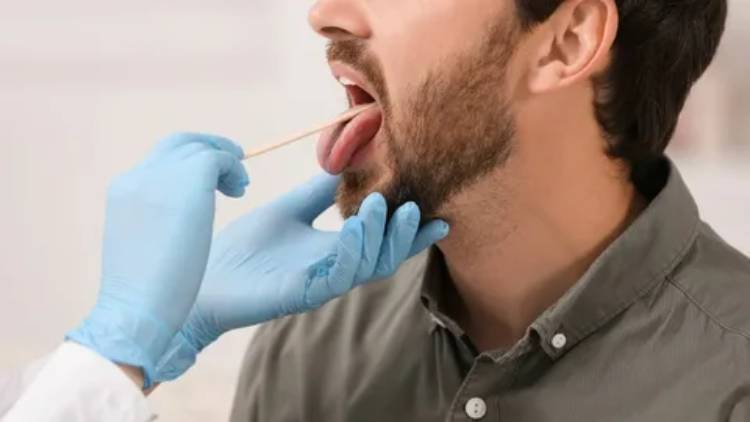
Building a strong daily routine is the most effective way to maintain your oral health. The following oral hygiene tips focus on habits you should practice every day to protect your teeth and gums.
Proper Brushing Techniques
Brushing your teeth correctly is the cornerstone of a healthy smile. Dentists recommend brushing at least twice a day using a soft-bristle toothbrush and fluoride toothpaste.
Focus on cleaning all surfaces of your teeth with gentle circular motions. Brushing too hard can damage Tooth Enamel and irritate your gums. Proper brushing removes plaque and helps maintain good dental hygiene over time.
Flossing Correctly
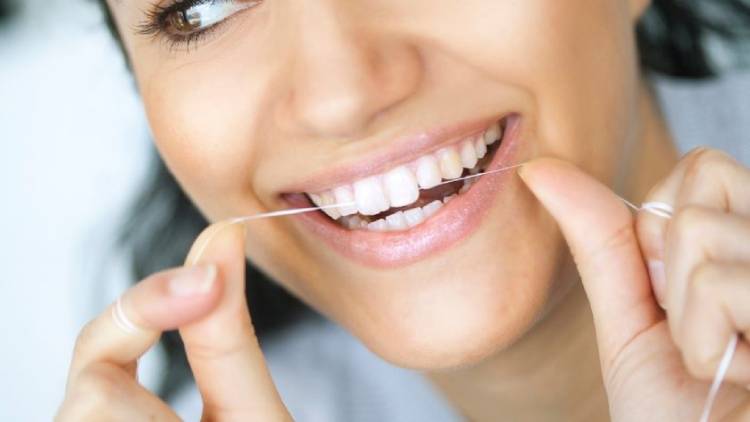
Flossing is just as important as brushing, yet many people skip it. It helps remove food particles and plaque from areas your toothbrush can’t reach.
Daily flossing reduces the risk of gum inflammation and prevents the development of Gingivitis. Making flossing part of your daily oral care routine is one of the most effective oral hygiene essential tips for long-term health.
Using Mouthwash Effectively
Mouthwash can be a helpful addition to your routine, especially when used alongside brushing and flossing. It helps reduce bacteria, freshen breath, and strengthen teeth when it contains Fluoride.
Choose a dentist-recommended product and use it as directed. While mouthwash is beneficial, it should never replace brushing or flossing.
Read more: “Flossing 101: How Toronto Patients Can Improve Oral Health”
Best Diet Habits for Healthy Teeth
What you eat has a significant impact on your oral health. A balanced diet supports strong teeth and healthy gums while reducing the risk of dental issues.
Foods That Strengthen Teeth
Certain foods help protect your teeth by providing essential nutrients. Dairy products, leafy greens, and crunchy vegetables are excellent for maintaining strong enamel.
Foods rich in calcium and phosphorus help repair and strengthen teeth, making them an important part of effective oral hygiene tips.
Foods and Drinks to Avoid
Sugary snacks and acidic drinks can weaken enamel and increase the risk of cavities. Frequent consumption of these items can lead to long-term damage.
Limiting sugar intake is one of the simplest ways to support your oral health and avoid treatments like root canal therapy.
The Role of Hydration and Saliva
Drinking water throughout the day helps rinse away food particles and bacteria. It also supports the production of Saliva, which plays a key role in protecting your teeth.
Saliva helps neutralize acids and maintain a healthy balance in your mouth, making hydration an essential part of daily care.
Improve Your Oral Health Routine
Healthy teeth start with consistent habits and expert guidance. Book your next visit at Lawrence Dental Centre for a professional checkup and personalized oral hygiene tips tailored to your smile.
How to Prevent Common Dental Problems at Home
Preventing dental issues starts with understanding how they develop and taking steps to stop them early. These oral hygiene essential tips focus on avoiding the most common problems.
Preventing Plaque Buildup
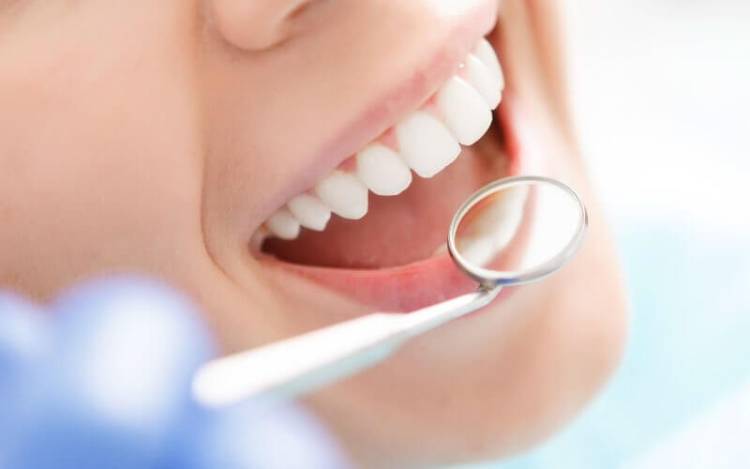
Plaque forms naturally on your teeth, but it can be controlled with proper care. Brushing, flossing, and regular rinsing help reduce buildup and maintain a clean mouth.
Without proper care, plaque can harden into tartar, which requires professional removal during a Dental Checkup.
Avoiding Tooth Decay
Cavities develop when bacteria produce acids that damage enamel. Maintaining a consistent oral care routine and limiting sugary foods are key strategies for prevention.
Early intervention is crucial to avoid more complex treatments often handled in restorative dentistry.
Protecting Your Gums from Disease
Healthy gums are just as important as healthy teeth. Poor oral care can lead to infections such as Periodontitis, which may result in tooth loss if untreated.
Practicing good hygiene and seeking early care can prevent the need for advanced treatments in periodontics.
Additional Oral Hygiene Tips for Better Results
Beyond daily habits, there are extra steps you can take to improve your oral care routine and maintain better results over time.
Replacing Your Toothbrush Regularly
Toothbrushes wear out over time and become less effective at cleaning. Dentists recommend replacing your toothbrush every three to four months.
Using a fresh brush ensures better plaque removal and supports your overall dental care routine.
Avoiding Harmful Habits
Certain habits can damage your teeth and gums. Smoking, teeth grinding, and using your teeth as tools can all lead to long-term issues.
Avoiding these behaviors is an important part of following effective oral hygiene and protecting your smile.
Using Fluoride Products
Fluoride strengthens enamel and helps prevent cavities. Using fluoride toothpaste and mouthwash can significantly improve your oral health.
Many dentists recommend fluoride as a key component of daily dental care.
Read more: “Beyond the Brush: Oral Health Products a Canadian Dentist Recommends”
Signs You Should Visit a Dentist Sooner
Even with the best home care routine, some issues require professional attention. Knowing when to seek help can prevent minor problems from becoming serious.
Common warning signs include persistent tooth pain, bleeding gums, sensitivity, and bad breath. In some cases, you may need immediate emergency dental care to address urgent issues. Regular monitoring of your oral health helps ensure timely treatment and better outcomes.
Conclusion
Maintaining your oral health between dental visits is essential for preventing problems and preserving your smile. By following consistent routines, making smart dietary choices, and staying aware of early warning signs, you can take control of your dental health.
Simple daily actions, guided by effective oral hygiene tips, can make a significant difference in protecting your teeth and gums. With the right habits and regular professional care, achieving a healthy, confident smile is well within your reach.
According to the National Institute of Dental and Craniofacial Research, maintaining proper oral hygiene practices at home is one of the most effective ways to prevent dental diseases and support overall oral health, reinforcing the importance of consistent daily care between dental visits.
At Lawrence Dental Centre, we provide comprehensive dental services tailored to each patient’s needs. Our care includes preventive treatments, patient education, and advanced procedures designed to support long-term oral health. This article is for informational purposes only and does not replace professional dental advice. For personalized care, contact us to consult our qualified dental professionals.
FAQ
1. What are the most important oral hygiene tips?
Brushing twice daily, flossing regularly, using fluoride products, and maintaining a healthy diet are essential.
2. How often should I brush and floss my teeth?
Brush at least twice a day and floss once daily for optimal oral health.
3. What foods help improve oral health?
Foods rich in calcium, fiber, and vitamins, such as dairy, fruits, and vegetables, support strong teeth.
4. Is mouthwash necessary for oral hygiene?
Mouthwash is helpful but should be used alongside brushing and flossing, not as a replacement.
Have questions about your daily oral care routine or how to keep your teeth healthy between visits? Share your thoughts or concerns in the comments below. We’re here to help you build better habits for a healthier smile!
