
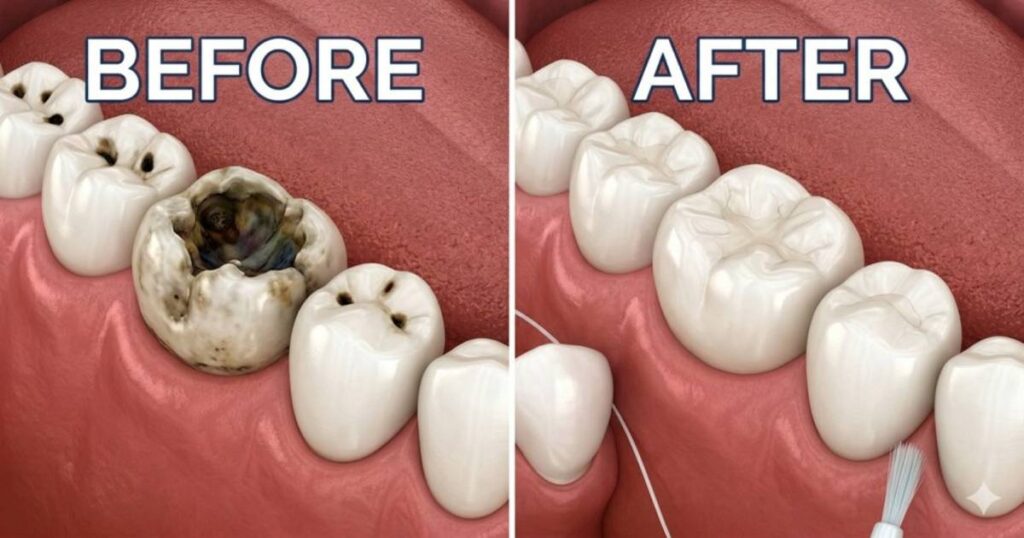
If you think brushing harder is the key to healthy teeth, you’re not alone, but it’s actually one of the biggest misconceptions in modern dental hygiene. Many people brush aggressively, hoping to scrub away every bit of plaque, yet still struggle with cavities and ongoing tooth decay.
The truth is, cavities don’t form because you’re not brushing hard enough. They develop through a complex interaction between bacteria, food (especially sugar/carbohydrates), and time. To truly prevent cavities, you need smarter habits, not stronger pressure.
In this guide, we’ll break down the real causes of cavities and show you dentist-approved strategies to protect your teeth effectively.
Why Brushing Harder Doesn’t Prevent Cavities
Brushing is essential, but doing it aggressively can do more harm than good. To understand why, it’s important to know how cavities actually form and what really affects your tooth enamel.
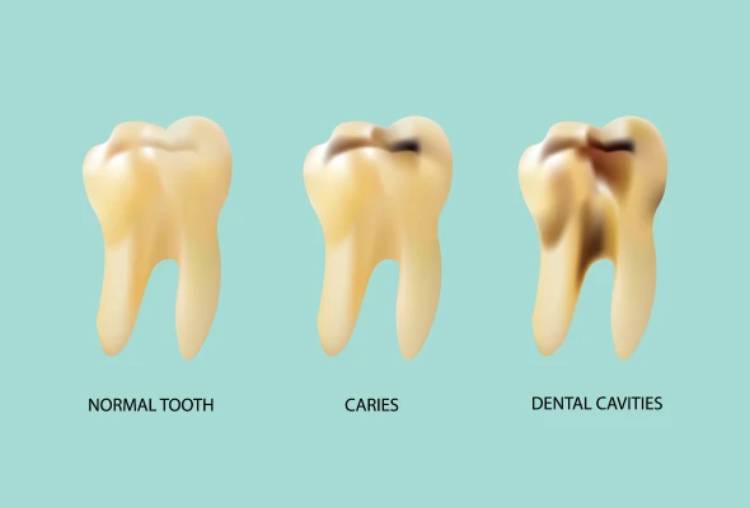
How cavities actually form (acid attack cycle)
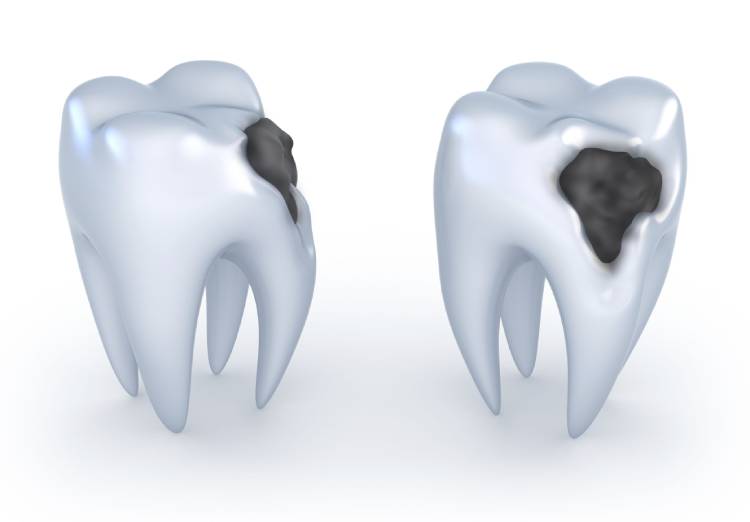
Cavities begin when bacteria (Streptococcus mutans) in your mouth feed on sugars and produce acid. This acid lowers pH levels in your mouth and leads to acid erosion of the enamel.
Role of plaque and bacteria
Dental plaque is a sticky film that constantly forms on your teeth. If it isn’t removed properly, it becomes a breeding ground for bacteria that produce harmful acids.
Brushing harder doesn’t remove plaque more effectively; technique and consistency matter far more.
Overbrushing risks (enamel damage)
Using excessive force can wear down tooth enamel and irritate your gums. Once enamel is damaged, it cannot regenerate, making your teeth more vulnerable to decay and even leading to procedures like root canal or tooth extraction in severe cases.
The Real Causes of Cavities
To truly prevent cavities, you need to address the root causes. It’s not just about brushing; it’s about your daily habits, environment, and oral health conditions.
Sugar and frequent snacking
Every time you consume sugary or starchy foods, bacteria produce acid. Frequent snacking keeps your mouth in a constant acidic state, preventing remineralization.
Even small amounts of sugar throughout the day can increase your risk of tooth decay.
Dry mouth and low saliva
Saliva plays a critical role in neutralizing acids and washing away food particles. A dry mouth—caused by medications, dehydration, or health conditions creates the perfect environment for cavities.
Poor fluoride exposure
Fluoride strengthens enamel and helps reverse early decay. Without enough fluoride, your teeth lose an essential defense mechanism.
The American Dental Association strongly recommends fluoride use as a cornerstone of cavity prevention.
Hidden plaque buildup areas
Even if you brush regularly, plaque can accumulate in hard-to-reach areas, between teeth, along the gumline, and around dental work. These hidden spots often lead to cavities despite good brushing habits.
Read more: “What to Do Before You Reach the Dental Emergency”
Smarter Ways to Prevent Cavities (Backed by Dentists)
Instead of brushing harder, focus on smarter, evidence-based habits. These strategies are widely recommended in general dentistry and supported by clinical research.
Brush correctly, not aggressively
Use a soft-bristled toothbrush and gentle, circular motions. Brush for at least two minutes twice a day. Proper technique protects enamel while effectively removing plaque.
Flossing daily (removes hidden plaque)
Flossing reaches areas your toothbrush can’t. Daily flossing reduces plaque buildup between teeth and helps avoid tooth decay in those vulnerable spaces.
Use fluoride toothpaste & mouthwash
Fluoride products strengthen enamel and support remineralization. They are one of the most effective tools to prevent cavities without increasing brushing force.
Drink more water (boost saliva)
Staying hydrated supports saliva production, which naturally protects your teeth. Drinking water after meals also helps rinse away food particles and acids.
Regular dental checkups
Routine visits allow dentists to detect early signs of decay and provide preventive treatments like sealants. These visits are essential for long-term oral health and can reduce the need for restorative dentistry later.
The Best Protection for Your Smile Starts with Prevention
At Lawrence Dental Centre, we believe that preventing cavities is the smartest way to protect your smile for life. If you’re experiencing tooth sensitivity or signs of early decay, schedule a check-up with our experienced team today and take the first step toward healthier teeth.
Diet Changes That Protect Your Teeth
Your diet plays a major role in oral health. Making the right choices can significantly reduce your risk of cavities.
Foods that strengthen enamel
Foods rich in calcium and phosphorus, like dairy products, leafy greens, and nuts, help strengthen enamel. Crunchy fruits and vegetables also stimulate saliva production.
Foods that cause cavities
Sugary snacks, sodas, and processed carbohydrates are major contributors to cavities. Sticky foods are particularly harmful because they cling to teeth and feed bacteria longer.
Timing of sugar intake
It’s not just how much sugar you eat, it’s how often. Frequent snacking creates repeated acid attacks. Limiting sugar intake to mealtimes helps your mouth recover between exposures.
According to the National Institute of Dental and Craniofacial Research, the process of tooth decay involves cycles of demineralization and repair, and frequent acid exposure disrupts this balance.
Read more: “How to Prevent Bad Breath – Toronto Dentist Advice”
How to Stop a Cavity From Getting Worse
If you already have early signs of decay, there are ways to slow or stop its progression before it becomes severe.
Early-stage remineralization
In the early stages, enamel can repair itself through remineralization. Fluoride, saliva, and a healthy diet all contribute to this natural process.
Fluoride treatments
Professional fluoride treatments provide a higher concentration than over-the-counter products, helping strengthen weakened enamel and slow decay.
When to see a dentist
If you experience sensitivity, pain, or visible damage, seek emergency dental care or schedule a visit promptly. Early treatment prevents more invasive procedures and protects your long-term oral health.
Why You Still Get Cavities Even With Good Brushing
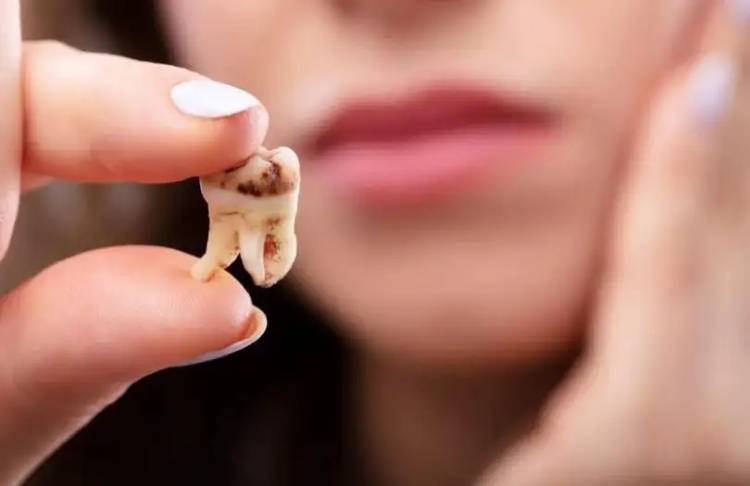
Many people wonder, “Why do I get cavities even if I brush?” The answer often lies beyond brushing habits.
Genetics and enamel strength
Some individuals naturally have weaker enamel, making them more prone to cavities despite good oral hygiene.
Brushing mistakes
Brushing too quickly, missing areas, or using improper techniques can leave plaque behind, even if you brush twice daily.
Diet habits
Frequent snacking, sugary drinks, and acidic foods can override even the best brushing routine.
Missed areas in the mouth
Crowded teeth, dental restorations, and gumline areas are easy to miss. This is why flossing and professional cleanings are essential parts of periodontics and preventive care.
Professional Dental Care Notice
At Lawrence Dental Centre, we provide comprehensive, patient-focused services including general dentistry, children’s dentistry, and advanced treatments tailored to your oral health needs. While this guide is designed to help you understand how to prevent cavities and improve your daily dental hygiene habits, it should not be considered a substitute for professional diagnosis or treatment. Every patient’s condition is unique, and a thorough clinical evaluation by a dental professional is essential to ensure safe, effective, and personalized care.
Read more: “Smoking and Dental Hygiene”
A Smarter Approach to Lifelong Cavity Prevention
Preventing cavities isn’t about brushing harder; it’s about understanding how tooth decay actually works and making smarter, more consistent daily choices. Cavities form through repeated acid attacks that weaken enamel over time, and according to the National Institute of Dental and Craniofacial Research, this process is a cycle of demineralization and remineralization that depends heavily on your daily habits. When you focus on proper brushing technique instead of force, support your teeth with fluoride, and maintain strong dental hygiene habits, you create a foundation that actively protects your enamel from damage.
At the same time, small lifestyle adjustments, like reducing frequent sugar intake, staying hydrated to support saliva production, and choosing tooth-friendly foods, can significantly lower your risk of decay. These habits help your mouth stay in a healthier balance, where natural repair processes can occur, and harmful acid attacks are minimized, making it much easier to prevent cavities in the long run.
FAQ
1. Can cavities go away on their own?
Early-stage cavities may be reversed through remineralization, but advanced decay requires professional treatment.
2. Why do I get cavities even if I brush daily?
Factors like diet, saliva levels, genetics, and missed plaque buildup areas all contribute to cavity formation.
3. What foods help prevent cavities?
Calcium-rich foods, crunchy vegetables, and water help protect teeth and support saliva production.
Have you tried improving your daily habits but still struggle with cavities? Share your experience or questions below. Our team is here to help you find the best way to protect your smile.
