
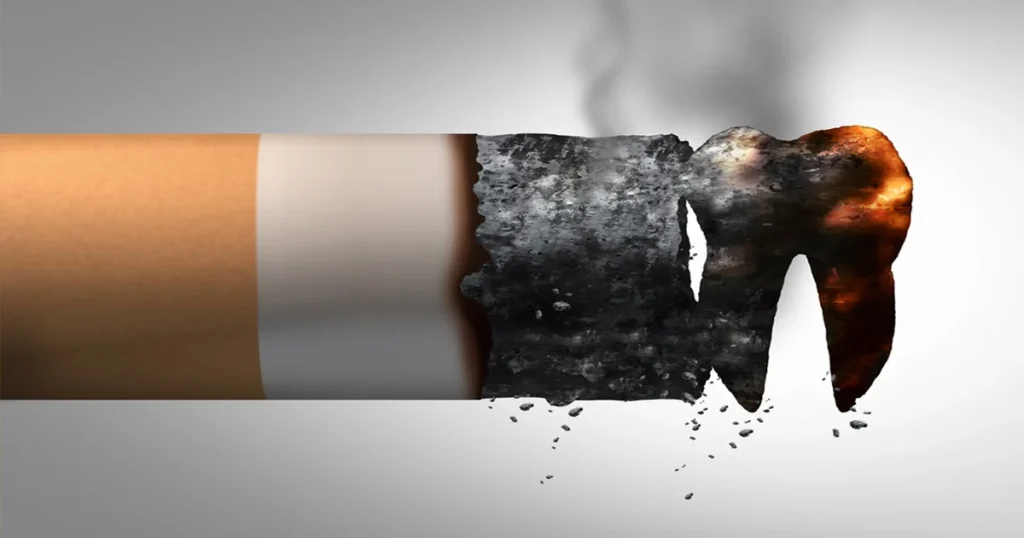
Over the years, after interacting with many smokers in our dental clinic, we have realized that many smokers don’t pay enough attention to their dental hygiene. This is why, in most cases, they notice yellow teeth, bad breath, or plaque buildup. Although we can’t say that all of these symptoms are because of smoking, we can basically say that smokers experience them more than non-smokers.
In this article, we explain exactly how smoking affects teeth and gums, why smokers often miss early warning signs of gum disease, how tobacco interferes with dental treatments, and what practical steps can help reduce damage. Understanding these effects is the first step toward protecting oral health in the long term.
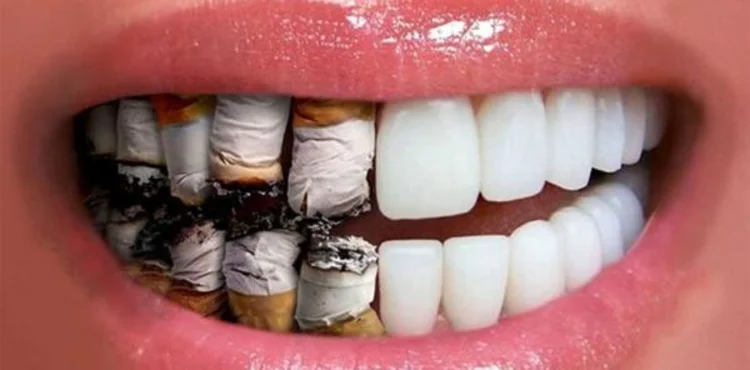
How Smoking Affects Your Teeth and Gums
Smoking impacts oral health at multiple biological levels. Tobacco chemicals disrupt blood flow, weaken immune response, and alter the oral environment in ways that favour disease.
Reduced Blood Flow to the Gums
Nicotine causes blood vessels to constrict, limiting the delivery of oxygen and nutrients to the gum tissue. This reduces the gums’ ability to fight infection and repair damage, accelerating the progression of gum disease.
Increased Plaque and Tartar
Smoking alters saliva composition and promotes the growth of plaque bacteria. As a result, plaque hardens into tartar more quickly, leading to increased gum irritation and inflammation.
Dry mouth
Smoking reduces saliva production, leading to dry mouth. Saliva normally helps cleanse the mouth and neutralize acids; without it, bacteria thrive, and bad breath worsens.
Gum Disease
Smokers often experience less bleeding, not because gums are healthy, but because reduced blood flow hides inflammation. This allows the disease to advance silently.
Read more: Vaping and teen dental health
Common Dental Problems Smokers Face in Scarborough
Smokers are significantly more likely to experience periodontal-related issues such as advanced gum disease and bone loss. Other common concerns include persistent tooth staining, chronic bad breath (halitosis), and increased risk of tooth decay.
Over time, untreated gum disease can lead to loose teeth and eventual tooth extractions. Smokers are also more likely to require dental crowns or root canal treatment, due to deeper decay and structural tooth damage.
These issues often appear earlier and progress faster compared to non-smokers, even when brushing habits appear adequate.
One of the most dangerous dental problems can be mouth cancer, and according to Better Health:
“People who vape or smoke are at a higher risk of developing mouth cancer (oral), gum problems, losing teeth, getting decay on teeth, and having complications after tooth removal and oral surgery.”
Why Smokers Often Don’t Notice Gum Disease Early
One of the most dangerous effects of smoking is how it hides the warning signs of gum disease. Reduced blood flow means gums may not bleed or swell noticeably, even when infection is present.
This false sense of security leads many smokers to delay care until significant damage has already occurred. By the time pain, tooth mobility, or visible recession appears, treatment becomes more complex and may require specialized periodontics care rather than routine maintenance.
Regular professional evaluations are critical for smokers because visual symptoms alone are unreliable indicators of gum health.
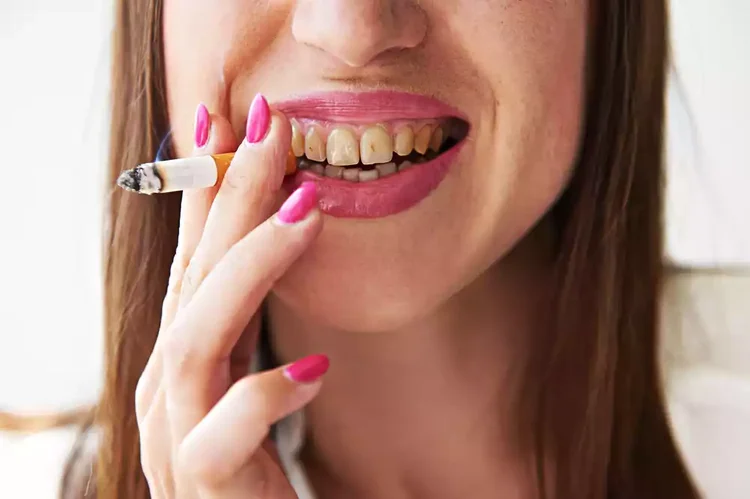
How Smoking Impacts Dental Treatments and Healing
Smoking interferes with the body’s ability to heal after dental procedures. Patients who smoke experience slower recovery, higher infection risk, and reduced treatment success.
Healing after dental implants, or gum therapy, is significantly delayed in smokers. Smoking also reduces the long-term success rate of dental implants and complicates outcomes following restorative dentistry.
Even routine dental hygiene care becomes more critical for smokers, as professional plaque and tartar removal helps control inflammation that smoking continuously aggravates.
Read more: Best toothbrushes for adults
Practical Dental Hygiene Tips for Smokers
While quitting smoking offers the greatest benefit, smokers can still reduce damage with targeted care by knowing dental hygiene tips like these:
- Brush gently but thoroughly twice daily with a soft-bristle toothbrush
- Floss daily to remove plaque between teeth, where disease often begins
- Increase hydration to combat dry mouth
- Attend more frequent dental hygiene appointments for tartar control
- Avoid abrasive whitening products that can worsen enamel damage
Dentists often customize hygiene schedules for smokers as part of general dentistry care to monitor changes early and intervene before irreversible damage occurs.
Protect Your Oral Health Even If You Smoke.
At Lawrence Dental Centre, we support Scarborough patients with personalized dental hygiene, preventive general dentistry to manage the oral effects of smoking. If you’re noticing stains, gum issues, or persistent bad breath, booking an appointment can help.
Start Reducing Risks Linked to Smoking and Dental Hygiene
Smoking has a direct and damaging effect on dental hygiene, accelerating gum disease, staining teeth, and increasing the risk of tooth loss, often without obvious early symptoms. Even excellent brushing habits cannot fully offset tobacco’s impact on oral health.
At Lawrence Dental Centre, we help Scarborough smokers protect their smiles through comprehensive dentistry when needed. Early awareness and consistent professional care can significantly reduce long-term damage.
FAQ
Does smoking cause gum disease even if I brush daily?
Yes. Smoking weakens gum tissue and immune response, allowing disease to progress despite good brushing habits.
Why do smokers get more tartar and stains?
Smoking alters saliva and increases plaque mineralization, leading to faster tartar buildup and deeper staining.
Can dental cleanings reverse smoking-related damage?
Cleanings help control plaque and inflammation, but cannot fully reverse damage. Early and regular care significantly slows progression.
If you’re a smoker, have you noticed changes in your gums or teeth over time?
Share your experience or questions below
