

Maintaining strong oral health becomes increasingly important with age. As the body changes, so do the teeth, gums, and overall oral environment. These all make senior dental care a key part of healthy aging. For older adults in Toronto, access to the right information, preventive habits, and support programs can make a significant difference in long-term well-being.
Seniors face unique risks that require consistent attention, including common issues like gum disease and tooth decay, and challenges such as dry mouth. Fortunately, with proper dental hygiene, regular checkups, and access to local programs, maintaining a healthy smile is absolutely achievable.

Why Senior Dental Care Matters for Overall Health
Oral health is deeply connected to overall health, especially in later years. Conditions affecting the mouth can influence systemic health, including heart disease and diabetes, making senior dental care more than just a cosmetic concern.
Aging also brings natural changes such as enamel wear, gum recession, and reduced saliva production. These factors increase vulnerability to infection and discomfort. A preventive approach, focusing on early care rather than treatment, helps seniors maintain independence and avoid complex procedures often associated with restorative dentistry.
Common Dental Problems in Seniors
As we age, certain oral health issues become more common due to biological changes, medications, and lifestyle factors. Understanding these conditions is the first step toward prevention and effective dental care for seniors.
Gum and Bone Health
Gum Disease is one of the leading causes of tooth loss in older adults. It often progresses silently, starting with mild inflammation and advancing to bone loss if untreated. Regular monitoring and early intervention through periodontic care are essential to preserve gum health.
Tooth Decay in Older Adults
Tooth Decay doesn’t stop with age. In fact, seniors are more prone to decay along the root surfaces due to gum recession. These areas are more sensitive and vulnerable. Therefore, consistent brushing and fluoride use are critical.
Dry Mouth and Medication Effects
Dry Mouth is commonly linked to medications taken for chronic conditions. Reduced saliva increases the risk of cavities, bad breath, and discomfort, making daily care routines even more important.
Denture-Related Issues
Ill-fitting dentures can lead to irritation and infections like Denture Stomatitis. Proper cleaning, regular adjustments, and professional guidance help prevent complications and maintain comfort.
Read more: “Flossing 101: How Toronto Patients Can Improve Oral Health”
Daily Oral Hygiene Routine for Seniors
A consistent daily routine is the foundation of strong oral hygiene for seniors. Small, manageable habits can significantly reduce the risk of disease and improve overall comfort.
Brushing and Flossing Techniques
Using a soft-bristled toothbrush and fluoride toothpaste twice daily helps remove plaque effectively. Seniors with limited dexterity may benefit from electric toothbrushes or adaptive handles. Gentle flossing or interdental brushes can clean hard-to-reach areas without irritation.
Denture Care Best Practices
Dentures should be cleaned daily using non-abrasive products and stored properly overnight. Removing them allows the gums to rest and reduces the risk of infections. Regular dental visits ensure proper fit and function.
Preventive Treatments
Professional applications like Fluoride Treatment strengthen enamel and protect against decay. These treatments are especially beneficial for seniors with increased cavity risk.
Managing Dry Mouth
Staying hydrated, chewing sugar-free gum, and using saliva substitutes can help manage dry mouth symptoms. Avoiding alcohol-based mouthwashes also reduces irritation and dryness.
Read more: “Smoking and Dental Hygiene”
Professional Senior Dental Care in Toronto
Routine professional care is essential to maintaining oral health as you age. Clinics in Toronto provide comprehensive services tailored to the needs of older adults, supporting long-term senior dental care.
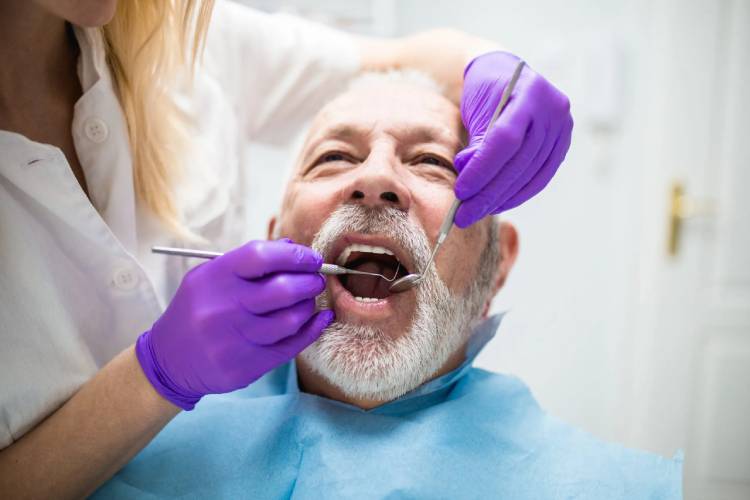
Routine Dental Visits
Regular checkups, including Dental Cleaning, help remove plaque buildup and detect issues early. Preventive visits reduce the need for more complex treatments later.
Preventive Screenings
Screenings such as Oral Cancer Screening are critical for the early detection of serious conditions. Early diagnosis significantly improves treatment outcomes and peace of mind.
Choosing a Senior-Friendly Dentist
A good dental provider understands the unique needs of seniors, offering accessible care, clear communication, and a comfortable environment. Clinics experienced in dental implants and age-related treatments can provide more tailored solutions.
Take the Next Step Toward Better Oral Health
If you or a loved one needs support with senior dental care, regular checkups, or personalized treatment options, professional guidance can make a real difference. Book a consultation with our professional team at Lawrence Dental Centre to discuss your needs and explore suitable dental care options tailored for seniors in Toronto.
Affordable Dental Care Programs for Seniors in Ontario
Access to affordable care is a major concern for many older adults. Fortunately, Ontario offers several programs designed to support senior dental programs in Ontario and improve access to essential services.
Government-Funded Dental Support
The Ontario Seniors Dental Care Program provides free dental services to eligible low-income seniors, covering exams, cleanings, and basic treatments.
Local Public Health Services
Programs offered by the City of Toronto include community clinics and outreach initiatives, ensuring seniors can receive care regardless of their financial situation.
Professional Guidance
Organizations like the Ontario Dental Association offer trusted resources and guidance on maintaining oral health and accessing services.
Eligibility and Application
Seniors can apply through the Government of Ontario, where eligibility is typically based on age, income, and residency. The process is straightforward and designed to increase accessibility.
Read more: “Top 10 Dental Hygiene Tips”
Caregiver Tips for Supporting Senior Oral Health
Caregivers play a vital role in maintaining oral health for seniors who may need assistance. With proper support, many oral health issues can be prevented or managed early.
Daily Assistance Techniques
Helping with brushing, flossing, and denture care ensures consistency and reduces the risk of complications. Using simple tools and routines can make daily care easier and more effective.
Monitoring Oral Health Changes
Caregivers should watch for signs such as bleeding gums, bad breath, or difficulty eating. Early detection allows for timely emergency dental care when needed.
Encouraging Regular Dental Visits
Building a routine around dental visits helps seniors stay proactive about their health. Consistent care fosters trust and reduces anxiety around treatment.
About Lawrence Dental Centre
This guide is for educational purposes only and does not replace professional dental advice. Lawrence Dental Centre, located at 1720 Lawrence Ave. East in Scarborough offers a full range of patient-focused services, including preventive care, dental hygiene, restorative dentistry, periodontics, dental implants, and emergency dental care. For a personalized treatment plan, we encourage you to book a consultation with our team.

Conclusion
Senior dental care plays a vital role in preserving overall health, comfort, and self-confidence as we age. With consistent daily habits like proper brushing, flossing, and maintaining good dental hygiene, along with regular professional checkups, many common oral health issues can be prevented or managed early. Access to supportive programs in Ontario further helps seniors receive the care they need without unnecessary financial stress, making long-term oral wellness more achievable.
According to the National Institute on Aging, taking care of teeth and gums is closely linked to the ability to eat well, speak clearly, and avoid infections that may affect overall health. Their guidance emphasizes that simple preventive steps can significantly improve the quality of life for older adults. This highlights why a proactive approach to senior dental care, focused on prevention, education, and consistency, is essential for maintaining independence and well-being in later years.
FAQ
1. How often should seniors visit the dentist?
Most seniors should visit every 6 months, though some may require more frequent care depending on their oral health.
2. What is the best oral hygiene routine for seniors?
Brushing twice daily, flossing once a day, cleaning dentures properly, and staying hydrated form the ideal routine.
3. How can dry mouth be treated in older adults?
Hydration, saliva substitutes, and avoiding certain medications or mouthwashes can help manage symptoms.
Have questions or personal experiences with senior dental care? Share your thoughts below, whether it’s tips for maintaining oral health, challenges with dentures, or accessing dental programs in Ontario. Your insight could really help other families and seniors make better decisions about their dental care.
