
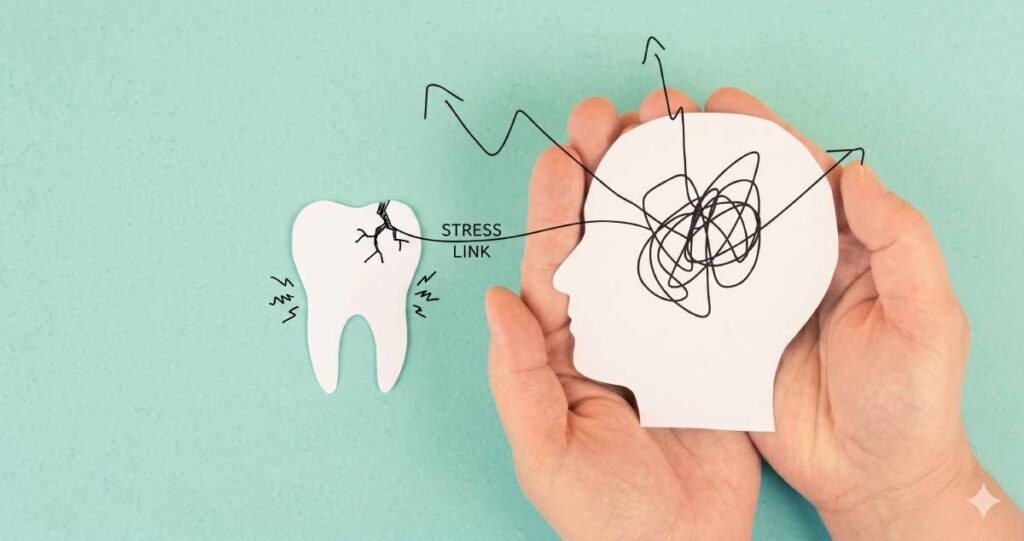
Modern life brings constant pressure, from work deadlines to personal responsibilities, and while most people recognize how stress impacts mental and physical health, fewer realize its direct effect on their smile. Understanding the connection between stress and oral health is essential because the mouth often shows early warning signs of deeper health issues.
The relationship between stress and oral health is complex but very real. From teeth grinding to gum disease, chronic stress can quietly damage your teeth and gums over time. At Lawrence Dental Centre, we often see patients whose oral health concerns are closely linked to lifestyle factors like stress, making prevention and early care more important than ever. In this article, we’ll explore how stress affects your oral health, the common signs to watch for, and practical ways to protect your smile.

How Stress Affects Your Oral Health
Stress doesn’t just stay in your mind; it triggers physical responses throughout your body. These responses can weaken your natural defenses and create the perfect environment for oral health problems to develop. To better understand this, let’s explore how stress interacts with your body and why your mouth is particularly vulnerable.
The connection between stress and the body
When you experience stress, your body releases hormones like cortisol (a stress hormone). While helpful in short bursts, prolonged exposure can suppress the immune system, increase inflammation, and disrupt normal bodily functions. This imbalance allows harmful bacteria in the mouth to thrive, increasing the risk of infections and disease.
Over time, these changes can directly contribute to issues like periodontal disease and delayed healing.
Why is oral health impacted first
Your mouth is one of the first places where stress-related damage appears. Habits like jaw clenching, neglecting oral hygiene, or changes in diet can quickly affect your teeth and gums. In addition, reduced saliva production makes it harder for your mouth to clean itself naturally.
This is why understanding how stress affects teeth is so important.
Read more: “Top 5 Mistakes Scarborough Residents Make Brushing Their Teeth”
Common Oral Health Problems Caused by Stress
Stress can manifest in several different ways in your mouth, often without you realizing it. These conditions can worsen over time if not addressed early, which is why recognizing them is key to protecting your smile.
Teeth grinding (bruxism) and jaw pain
One of the most common effects of stress and oral health is teeth grinding (bruxism) and jaw clenching. This constant pressure can wear down enamel and lead to TMJ disorders.
Many patients experiencing teeth grinding from stress also report headaches and discomfort.
Gum disease and inflammation
Stress weakens your body’s defenses, increasing the risk of stress and gum disease. This leads to swollen, bleeding gums and may require care in periodontics if it progresses.
Dry mouth and increased cavities
Stress can reduce saliva flow, leading to dry mouth (xerostomia). Without enough saliva, plaque buildup increases and so does the risk of tooth decay (cavities).
This clearly shows the link between stress and dry mouth.
Mouth sores and ulcers
Stress can also trigger mouth sores (canker sores) due to increased inflammation and immune response changes.
Read more: “Smoking and Dental Hygiene”
The Role of Cortisol and the Immune System
Understanding stress and oral health means looking at how stress hormones affect your body. Elevated cortisol (stress hormone) can increase harmful bacteria levels and reduce your body’s ability to fight infection.
This weakened immune system makes it easier for oral conditions to worsen and harder for them to heal, sometimes requiring treatments like restorative dentistry.
Signs Your Oral Health Is Affected by Stress
Common warning signs include:
- Tooth sensitivity or pain
- Bleeding gums
- Jaw tension or headaches
- Bad breath caused by bacterial buildup
These are clear indicators of the oral health effects of stress.

How to Protect Your Oral Health During Stress
Considering the relationship between stress and oral health, here are a few tips to protect your oral health:
Maintain strong oral hygiene habits
Consistent dental hygiene helps control bacteria and prevent disease, even during stressful periods.
Manage stress effectively
Reducing stress improves both your overall health and oral health.
Use protective dental devices (night guards)
Night guards help prevent damage caused by teeth grinding (bruxism) and protect your jaw.
Stay hydrated and support saliva production
Drinking water helps combat dry mouth (xerostomia) and supports healthy saliva production.
Take Control of Your Oral Health Today
Feeling the effects of stress on your teeth or gums? Our team at Lawrence Dental Centre is here to help you protect your smile with personalized care and expert guidance. Whether you need preventive support or treatment for stress-related dental issues, we’re ready to support you every step of the way.
Book your appointment today and give your smile the care it deserves.
When to See a Dentist
Seek professional care if you experience:
- Persistent pain or tooth damage
- Signs of gum disease (periodontal disease)
- Severe grinding or jaw issues
In urgent situations, visit for emergency dental care to prevent further complications.
About Dental Services
At Lawrence Dental Centre, we provide patient-focused care, including preventive, cosmetic, and advanced dental treatments. While we offer professional guidance on managing oral health concerns related to stress, each patient’s condition is unique and requires personalized assessment. Our services, including general care, dental implants, and restorative treatments, are tailored to individual needs. We recommend consulting with a qualified dental professional for accurate diagnosis and treatment planning based on your specific situation.
Conclusion
The connection between stress and oral health is often underestimated, yet it plays a critical role in your overall well-being. From teeth grinding (bruxism) to gum disease (periodontal disease), the oral health effects of stress can lead to serious complications if ignored. By maintaining good habits and seeking professional care when needed, you can protect your smile even during stressful times.
According to scientific research published by the National Institutes of Health, chronic stress can weaken immune responses and increase inflammation, which directly contributes to the development and progression of periodontal disease and other oral health conditions.
This highlights why managing stress is not just beneficial for mental health but also essential for maintaining long-term oral health and preventing more serious dental issues.
Read more: “Beyond the Brush: Oral Health Products a Canadian Dentist Recommends”
FAQ
1. Can stress really damage your teeth?
Yes, stress can lead to teeth grinding, enamel wear, and increased risk of cavities and gum disease.
2. How does stress cause gum disease?
Stress weakens the immune system, making it harder to fight off infections and increasing inflammation in the gums.
3. How can I protect my teeth during stressful periods?
Maintain good oral hygiene, manage stress levels, stay hydrated, and visit your dentist regularly.
Have you noticed changes in your teeth or gums during stressful times? Share your experience or questions in the comments below. Our dental team is here to help, and your insight could support others facing similar issues.
