
Facing a dental issue that requires significant treatment can be daunting. Often, when a tooth is badly damaged or infected, you might find yourself weighing two primary options: a root canal treatment or a tooth extraction. This decision impacts not just your immediate comfort but your long-term oral health and the structure of your entire smile.
Understanding Root Canal Treatment
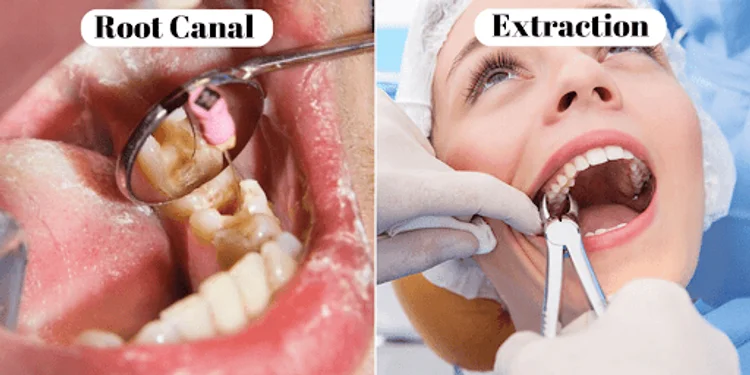
A root canal treatment aims to save a natural tooth that has become severely infected or decayed. Inside each tooth, there’s a soft core called the pulp, which contains nerves, blood vessels, and connective tissue. When this pulp gets infected or inflamed, often due to deep decay, repeated dental procedures, or a crack in the tooth, it can cause significant pain and lead to an abscess if left untreated. This is when a root canal becomes necessary to address the infected tooth.
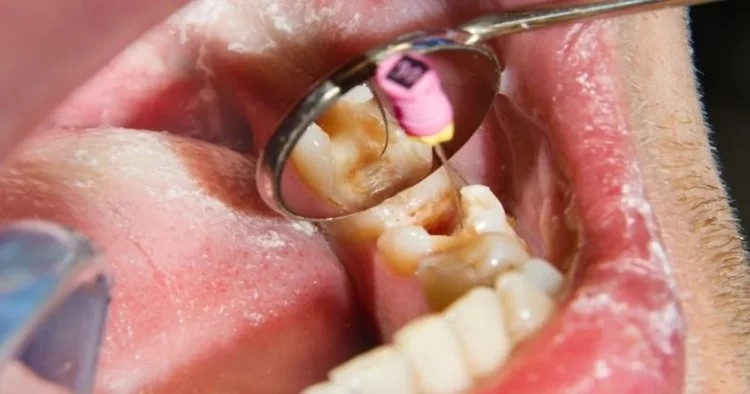
During the procedure, the inflamed or infected pulp is carefully removed. The inside of the tooth is then cleaned, disinfected, and shaped before being filled and sealed. Finally, the tooth is often restored with a crown to protect it and restore its full function. The goal is always to preserve your natural tooth structure and prevent further complications.
Understanding Tooth Extraction
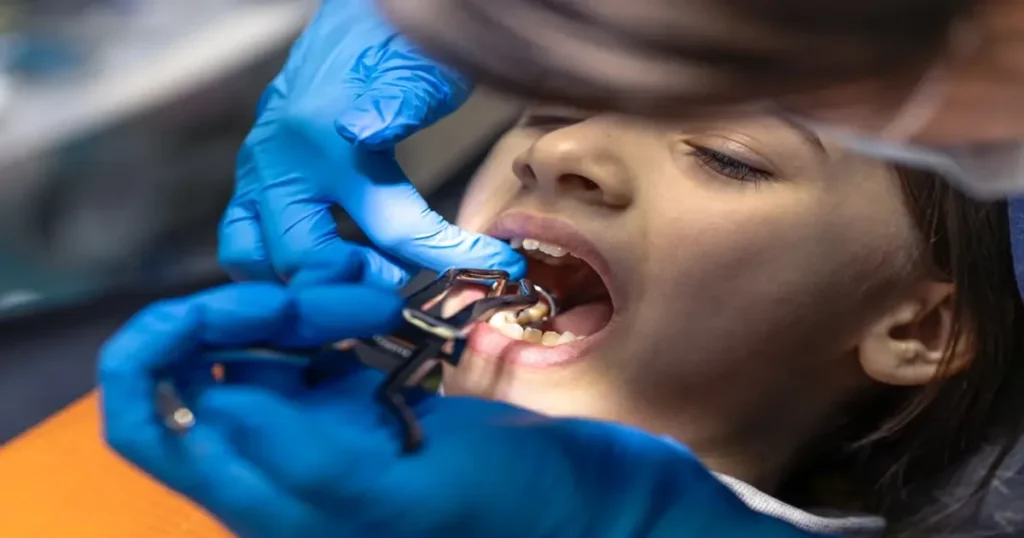
Tooth extraction is the complete removal of a tooth from its socket in the bone. While dentists prioritize saving natural teeth, there are situations where an extraction is the most appropriate or only viable solution. This might be due to extensive decay that has destroyed too much tooth structure to be repairable, severe gum disease that has loosened the tooth, a failed root canal, or trauma.
Sometimes, extractions are also necessary for orthodontic reasons, to create space in the mouth, or for wisdom teeth that are impacted or causing problems. After an extraction, it is often important to consider options for replacing the missing tooth, such as a bridge or a dental implant, to prevent issues like bone loss and shifting of adjacent teeth. If an implant is on your mind as a replacement, our 2-minute implant candidacy quiz is a helpful tool for pre-approval.
Tooth Extraction vs Root Canal: A Detailed Comparison
When you’re facing a decision between a root canal and extraction, it helps to compare the two directly across several key areas. This comparison table outlines the main differences to consider:
| Factor | Root Canal Treatment | Tooth Extraction |
|---|---|---|
| Primary Goal | Save the natural tooth and eliminate infection. | Remove the problematic tooth to alleviate pain and prevent infection spread. |
| Procedure | Removal of infected pulp, cleaning, filling, and sealing the tooth. Often followed by a crown. | Surgical removal of the entire tooth from the jawbone. |
| Pain During Procedure | Minimal to none, thanks to local anesthetic. Often less painful than the toothache itself. | Minimal to none, thanks to local anesthetic. Pressure is typically felt, not sharp pain. |
| Recovery Time | Mild discomfort for a few days. Full recovery and integration of crown usually takes a few weeks. | Initial soreness and swelling for 1–3 days. Full gum healing takes several weeks. Avoid strenuous activity. |
| Cost Considerations | Often higher initial cost due to multiple appointments and potential crown. Long-term, it saves costs of tooth replacement. | Lower initial cost. Long-term costs can increase if tooth replacement (implant, bridge) is needed to prevent further issues. |
| Long-Term Outlook | With proper care, a root-canal-treated tooth can last a lifetime. Maintains natural bite and bone structure. | Leaves a gap, which can lead to bone loss, shifting teeth, and bite problems if not replaced. Replacement options have their own costs and procedures. |
| Success Rate | High success rate (over 95%) when performed correctly and followed by proper restoration. | High success rate for removal. Success of long-term oral health depends on subsequent care and replacement. |
Read more: Fastest pain relief before root canal
Can a Root Canal Fail?
Although root canal treatment has a very high success rate, no dental procedure is completely immune to complications. In some cases, a root canal-treated tooth may become reinfected months or even years after the procedure. Understanding why root canals fail can help patients make informed decisions about saving a tooth versus choosing extraction.
A root canal may fail for several reasons, including hidden canals that were difficult to clean, delayed placement of a dental crown, new decay forming around the tooth, or cracks developing in the tooth root over time. In some cases, bacteria can re-enter the tooth if the restoration becomes loose or damaged.
Common signs of a failed root canal may include:
- Persistent or returning tooth pain
- Swelling around the gums
- Sensitivity to pressure or chewing
- A pimple-like bump near the tooth
- Tooth discoloration
- Bad taste or drainage from the area
When a root canal fails, the tooth may still be saved through endodontic retreatment or a minor surgical procedure called an apicoectomy. However, if the infection is too severe or the tooth structure is too weak, extraction may become the better long-term solution.
This is why proper restoration, regular dental checkups, and good oral hygiene are essential after root canal treatment. In many cases, a properly treated and restored tooth can continue functioning successfully for many years.
Making the Right Choice for Your Oral Health
Deciding whether to save a tooth vs extraction is a significant personal choice, and it’s not one you should make alone. The best option for you depends on several factors: the extent of the damage to the tooth, the health of the surrounding bone and gums, your overall health, and your financial situation. Your dentist at Lawrence Dental Centre will conduct a thorough examination, including X-rays, to accurately assess your condition. We will discuss all viable options, explaining the pros and cons of each in detail.
Our goal is to provide you with all the information you need to make a decision that aligns with your health and lifestyle. We believe in a collaborative approach, where your questions are answered, and your concerns are addressed.
Before the wrap-up, it’s good to take a look at what AAE has said:
“Nothing looks, feels or functions like your natural tooth. Don’t get a tooth pulled because you think it’s easier or more cost-effective. Tooth extraction often is more painful than the infection itself, and replacing an extracted tooth with an artificial one requires additional dental visits that can quickly add up.”
When to Seek Emergency Dental Care
Sometimes, the pain or infection is so severe that it warrants immediate attention. If you are experiencing intense pain, swelling, a knocked-out tooth, or uncontrolled bleeding, do not delay. These could be signs of a dental emergency. Lawrence Dental Centre offers emergency dental care in Scarborough to address urgent issues promptly. Early intervention can often prevent more serious complications and provide relief.
Book Your Appointment Today
Let our team help you navigate your dental health decisions with confidence and find the best solution for you.
Your Next Step: A Personalized Consultation
Deciding between a tooth extraction vs root canal is a significant decision that impacts your oral health for years to come. It requires careful consideration of many factors, and the best choice is always a personalized one. I encourage you to reach out to us at Lawrence Dental Centre in Scarborough, Toronto. Our team is here to provide you with a thorough examination, explain your options clearly, and answer all your questions.
FAQ
Is a root canal more painful than an extraction?
With modern anesthetics, both procedures are generally performed with minimal discomfort. The pain you might associate with a root canal is typically from the severe infection before treatment. The root canal procedure itself removes this source of pain. For an extraction, you will feel pressure, but not sharp pain, during the removal.
What is the typical recovery time for each procedure?
For a root canal, mild sensitivity for a few days is common, and you can usually resume normal activities quickly. For an extraction, initial soreness and swelling last 1-3 days, and it’s important to follow aftercare instructions to promote healing and prevent complications like dry socket.
What happens if I don’t treat an infected tooth?
Leaving an infected tooth untreated can lead to serious health issues. The infection can spread to other parts of your body, including your jaw, neck, or even your brain. It can also cause severe pain, swelling, and damage to surrounding teeth and bone. Addressing an infected tooth treatment promptly is crucial.