
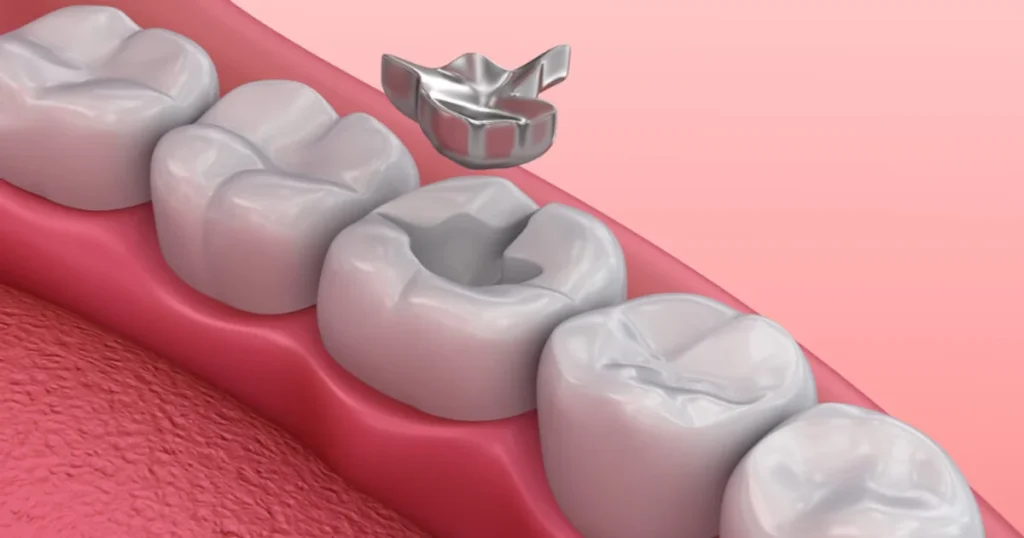
Losing a dental crown or dental filling can be a startling experience. It often happens unexpectedly, perhaps while eating, and can leave you with a sudden gap, sensitivity, or even pain. While it can feel alarming, staying calm and taking the right steps can protect your tooth until you can see a dentist.
This guide will walk you through exactly what to do when you’ve lost a crown or filling, from immediate self-care to understanding your professional treatment options. Our goal is to equip you with the knowledge to manage the situation effectively and prevent further complications.
Immediate Steps When You Lose a Crown or Filling
Your first reaction might be panic, but a calm approach is best. Follow these steps right away to protect your tooth and manage any discomfort.
Retrieve and Clean the Restoration
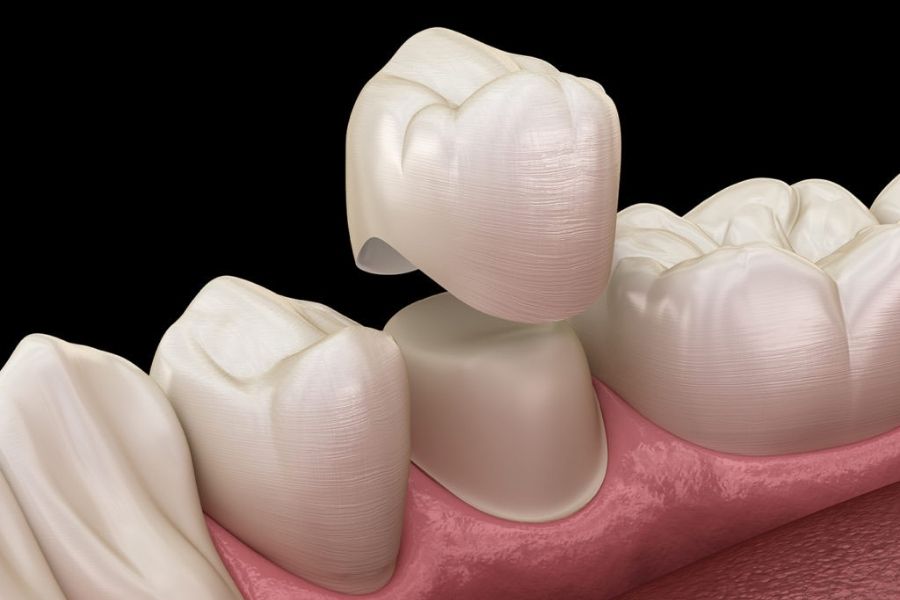
If your dental crown or filling falls out, try to retrieve it. Carefully rinse it under cool water to clean off any debris. Do not use hot water, as extreme temperatures can damage dental materials. Store the crown or filling in a small, clean container or a plastic bag to bring to your dental appointment. Your dentist might be able to re-cement a crown if it’s intact.
Clean Your Mouth and Tooth
Gently rinse your mouth with warm salt water. Mix half a teaspoon of salt in a glass of warm water. Swish for about 30 seconds and spit. This helps to clean the area, reduce bacteria, and calm any inflammation around the exposed tooth.
Manage Any Pain
It is common to experience sensitivity or pain when a crown or filling is lost, especially if the underlying tooth structure or nerve is exposed. You can take an over-the-counter pain reliever like ibuprofen or acetaminophen, following the dosage instructions on the package. Applying a cold compress to the outside of your cheek near the affected area can also help reduce swelling and discomfort.
Protecting Your Tooth Temporarily
Once you’ve taken immediate steps, focus on protecting the exposed tooth. The tooth underneath a crown or filling can be sensitive and vulnerable to damage or decay. Temporary measures can provide relief and prevent further issues until you see your dentist.
Temporary Solutions for Crowns
If you have retrieved your crown and it is intact, you might be able to temporarily reposition it. You can purchase temporary dental cement at most pharmacies. Clean the inside of the crown and the tooth thoroughly. Apply a small amount of temporary cement to the inside of the crown, then carefully place it back onto your tooth, ensuring it fits correctly.
Bite down gently to secure it. If you don’t have temporary cement, a tiny dab of toothpaste can act as a very short-term adhesive, but this is not a long-term solution.
Temporary Solutions for Fillings
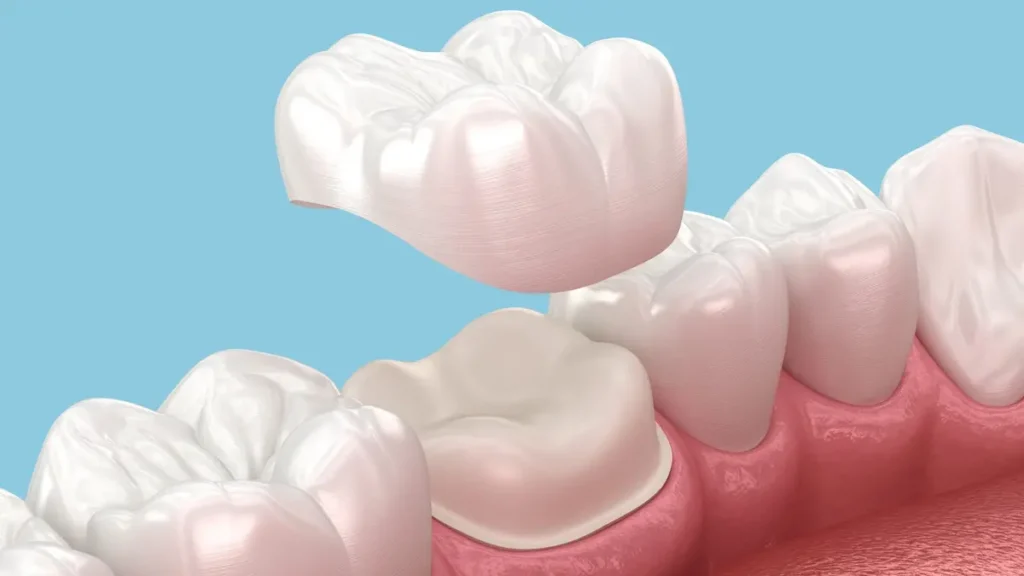
When a dental filling falls out, it leaves a cavity that can collect food particles and bacteria. You can use a temporary dental filling kit, available at pharmacies, to cover the exposed area. These kits typically contain a material that you can mould into the cavity. Alternatively, sugar-free gum can be gently pressed into the cavity as a very temporary measure to seal it, but remove it before eating or drinking. Be cautious not to chew on the affected side.
What to Avoid
Until you see your dentist, avoid chewing on the side of your mouth where you lost the crown or filling. Stay away from extremely hot, cold, or sugary foods and drinks, as these can increase sensitivity and pain. Also, avoid sticky foods that could dislodge any temporary repair or further damage the tooth.
Here is also a useful tip from the Healthline website:
“Some dentists might suggest that you try reinserting the crown back into its spot. You would need to gently clean the inside of the crown with toothpaste first. Then, use dental adhesive (or even toothpaste or sugar-free gum) to temporarily “glue” the crown back into its spot on your jawline. You can buy temporary dental cement at a pharmacy or grocery store.”
When to Seek Urgent Care
While a lost crown or filling isn’t always a life-threatening emergency, it often requires prompt professional attention. Understanding when to seek urgent care is crucial to prevent more serious problems.
You should consider it an emergency dental care situation if you experience severe pain that cannot be managed with over-the-counter medication, or if the exposed tooth has a sharp edge that is cutting your tongue or cheek. Swelling in your gums or face, or signs of infection like pus, also warrant immediate attention.
Lost a Crown or Filling?
If you have lost a crown or filling, do not wait to get it checked. Visit Lawrence Dental Centre for prompt, reliable care and let our team restore your smile with the right treatment.
Risks of Delaying Treatment
Leaving a lost filling untreated or delaying the re-cementation of a crown can lead to several complications. The exposed tooth is more susceptible to decay, infection, and fracture. The surrounding teeth might shift, affecting your bite.
Prolonged exposure can also cause damage to the tooth’s pulp, potentially leading to the need for a root canal or even extraction. Prompt treatment preserves your oral health and prevents more complex, costly procedures down the road.
What Happens at the Clinic?
When you visit Lawrence Dental Centre, our team will assess the situation thoroughly to determine the best course of action. We will prioritize alleviating any pain and restoring your tooth’s function and appearance.
Crown Re-cementation or Replacement
If your dental crown is intact and the underlying tooth structure is healthy, we may be able to re-cement it. The tooth and crown will be thoroughly cleaned, and a strong dental adhesive will be used to bond the crown back into place. If the crown is damaged or the tooth underneath has significant decay, a new crown may be necessary. We will discuss all options with you.
Filling Repair or Replacement
For a lost dental filling, the dentist will clean the cavity and check for any new decay. Often, a new filling can be placed. Depending on the size of the cavity and your preferences, options include composite (tooth-coloured) fillings or amalgam fillings. Our team will guide you through the choices available for restoring your tooth effectively.
Addressing Underlying Issues
Our comprehensive approach means we don’t just fix the immediate problem. We investigate why the crown or filling was lost in the first place. This might involve checking your bite, assessing for clenching or grinding habits, or identifying signs of decay. Addressing these underlying issues helps prevent similar incidents in the future.
Preventing Future Issues
While accidents happen, there are several steps you can take to minimize the risk of losing a crown or filling again.
- Good Oral Hygiene: Maintain consistent and thorough oral hygiene. Brush your teeth twice a day with fluoride toothpaste and floss daily. This helps prevent decay around the edges of crowns and fillings, which is a common reason for them to become loose or fall out.
- Regular Dental Check-ups: Regular visits for check-ups and cleanings are essential. Your dentist can monitor the condition of your existing restorations, identify any early signs of wear or decay, and address them before they become larger problems.
- Avoiding Harmful Habits: Avoid chewing on hard foods like ice, popcorn kernels, or hard candies, as these can put excessive stress on your dental work. If you grind or clench your teeth, especially at night, talk to your dentist about a custom night guard. This protective device can significantly reduce the force on your teeth and restorations.
Conclusion
Losing a dental crown or filling requires immediate attention, but it doesn’t have to be a source of panic. By following the steps outlined in this guide, you can protect your tooth and minimize discomfort until you receive professional care. Remember, prompt action is key to preventing further complications and maintaining your oral health.
At Lawrence Dental Centre, we are here to provide the expert care you need for lost crowns and fillings and all your dental concerns. Our team is dedicated to restoring your smile with comfort and precision. Do not hesitate to reach out to us if you find yourself in this situation.
FAQ
What should I do if my crown falls off?
Retrieve the crown, clean it and your mouth, and if possible, temporarily re-cement it with dental adhesive from a pharmacy. Contact your dentist as soon as possible.
My filling fell out. Is it an emergency?
It can be if you experience severe pain, sharp edges cutting your mouth, or signs of infection. Otherwise, it requires prompt attention to prevent further damage.
Can I eat normally after losing a filling?
No, avoid chewing on the affected side and stick to soft foods. Hot, cold, and sugary items can cause sensitivity and damage.
How long can a lost filling go untreated?
It is strongly recommended to treat a lost filling as soon as possible. Delaying treatment increases the risk of decay, infection, and fracture, potentially leading to more complex procedures.
