
Many people consider dental implants to replace missing teeth. They are a strong, long-lasting solution. Sometimes, a successful implant needs a solid foundation of healthy bone. This is where bone grafting for dental implants becomes essential.
This guide will walk you through everything you need to know about bone grafting.
What Exactly is a Dental Bone Graft?
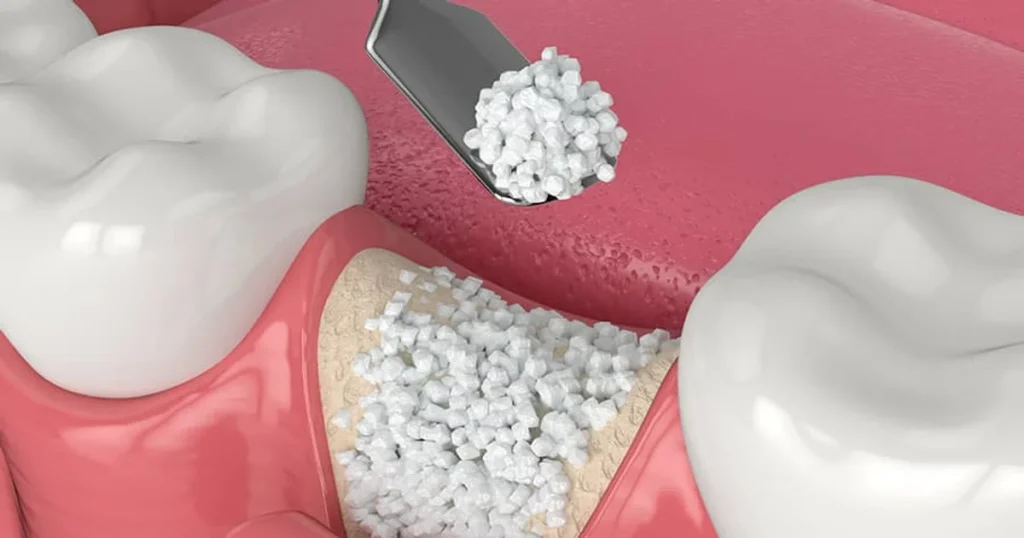
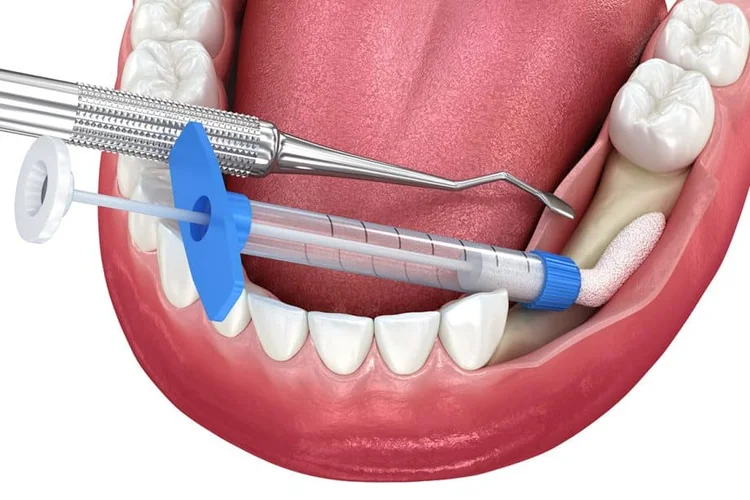
A dental bone graft is a procedure that adds new bone material to your jaw. This material helps stimulate your natural bone to grow and fuse with it. It rebuilds bone that has been lost or is insufficient. The goal is to create a strong, stable base for a dental implant.
Bone loss in the jaw can happen for several reasons. Missing teeth, gum disease, or trauma are common causes. Over time, without a tooth root to stimulate it, the jawbone naturally shrinks. This can make it too thin or soft to support an implant.
Why a Bone Graft is Often Necessary for Dental Implants
Dental implants are titanium posts placed directly into your jawbone. The bone then grows around the implant, holding it firmly in place. This process is called osseointegration. For it to happen correctly, you need enough bone density and volume.
If your jawbone is too thin or soft, the implant will not integrate properly. It could fail. A bone graft provides the necessary structure. It rebuilds the area, allowing the implant to be placed securely and last for many years. If you are not sure whether you have enough bone to begin with, we have prepared a 2-minute dental implant candidacy quiz. It has 9 questions and doesn’t require emails. It doesn’t replace an in-person consultation and examination, but it’s a useful pre-approval tool.
Types of Bone Grafts: Understanding Your Options
Several types of bone graft materials are available. The choice depends on your specific needs and the amount of bone required. Each type has its own advantages:
| Type of Graft | Source of Material | Description |
|---|---|---|
| Autogenous Graft | Your own body | Bone is taken from another part of your body (e.g., jaw, hip, shin). This is often considered the “gold standard” because it contains living bone cells, promoting faster healing and integration. |
| Allograft | Human donor | Processed bone from a deceased human donor. This material is safe and readily available, eliminating the need for a second surgical site on your body. |
| Xenograft | Animal source | Bone material typically derived from cows (bovine) or pigs (porcine). It’s processed to be biocompatible and acts as a scaffold for your natural bone to grow into. |
| Alloplast | Synthetic materials | Man-made materials like tricalcium phosphate or hydroxyapatite. These synthetic options are also biocompatible and provide a framework for new bone growth. |
| Platelet-Rich Fibrin (PRF) | Your own blood | Though not a bone graft material itself, PRF is often used alongside grafts. It’s derived from your own blood and contains growth factors that enhance healing and bone regeneration. |
We will discuss which type is best for your situation during your consultation. Our priority is choosing the most effective and safest option for you.
The Bone Grafting Procedure
Here is what you have to know beforehand so that you are familiar with the process:
Preparation
We will completely numb the treatment area using local anesthesia to ensure your comfort throughout the bone grafting procedure. For patients who experience dental anxiety, sedation options may also be available to create a more relaxed experience.
Graft Placement
The selected bone graft material is carefully positioned into the area affected by bone loss. This graft acts as a foundation for new bone growth and helps restore the strength and volume of the jawbone.
Membrane Placement
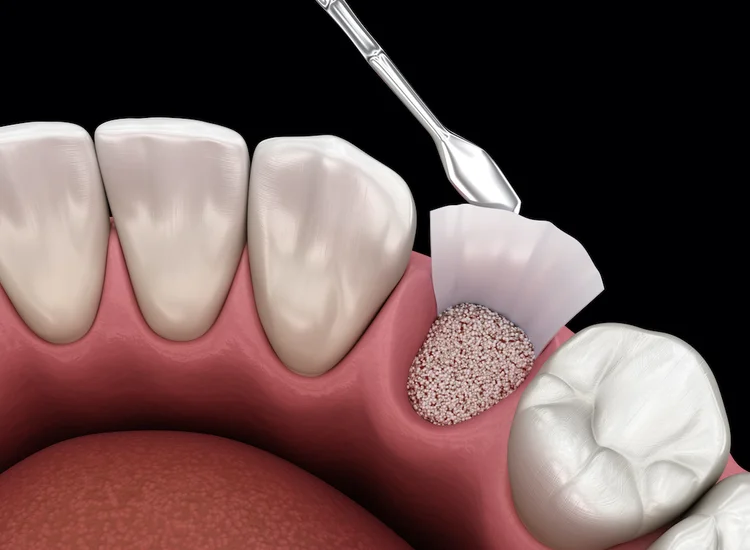
In many cases, a protective membrane is placed over the grafted area. This membrane helps stabilize the bone graft while preventing surrounding soft tissue from interfering with the healing and bone regeneration process.
Suturing
Once the graft and membrane are securely in place, the gum tissue is carefully closed using sutures to protect the surgical site and support proper healing.
Healing and Recovery
Bone grafting is generally a straightforward and predictable procedure. After treatment, the grafted material gradually integrates with your natural jawbone during the healing phase. This process is essential for creating a strong and stable foundation before dental implants can be successfully placed.
Also, remember that you have to tell your dentist your healthcare status which is real important, the NHS says:
“Make sure that you tell us about any problems with your health and any medicines that you take. Some medical conditions change the advice and information that we need to give you.”
Dental Bone Graft Recovery and Aftercare
Recovery from a dental bone graft varies for each person. Most patients experience mild discomfort, swelling, and bruising for a few days after the procedure. We will provide detailed aftercare instructions to help you heal properly.
Here are some general recovery tips:
- Pain Management: Take prescribed pain medication as directed. Over-the-counter pain relievers can also help.
- Swelling Control: Apply ice packs to your face intermittently for the first 24-48 hours.
- Diet: Stick to soft foods for the first few days. Avoid hot liquids and crunchy or chewy foods that could disturb the graft site.
- Oral Hygiene: Be gentle when brushing near the surgical site. We will give you a special mouth rinse to keep the area clean throughout our dental hygiene procedure.
- Avoid: Do not smoke or use straws, as these can dislodge the blood clot and compromise healing.
The bone graft needs several months to fully integrate and strengthen. This waiting period is important. It ensures the new bone is ready to support an implant. We will monitor your healing closely with follow-up appointments.
How Much Does a Dental Bone Graft Cost?
The cost of a dental implant bone graft depends on several factors. These include the type of graft material used, the extent of bone loss, and the complexity of the procedure. During your initial consultation at Lawrence Dental Centre, we will provide a clear estimate after assessing your specific needs. But just to give you a range, in Toronto, most dental clinics provide bone grafting for $1300 upwards to $2000.
Regarding insurance, some dental plans may cover a portion of the bone grafting procedure. We recommend checking with your insurance provider directly. We can also help you understand your coverage. For Canadian patients, it’s worth inquiring about how provincial plans or the new Canadian Dental Care Plan (CDCP) might apply, though coverage for elective procedures like this can vary.
Connecting Bone Grafting to Your Overall Dental Health
Bone grafting is a foundational step for successful dental implants. It’s part of a broader approach to restorative dentistry. By restoring lost bone, we are not just preparing for an implant. We are also preserving your facial structure and supporting the health of your remaining teeth. A strong jawbone contributes to both function and aesthetics, ultimately enhancing your overall cosmetic dentistry outcomes.
Considering Dental Implants?
If you are considering dental implants or have been told you may need bone grafting, visit Lawrence Dental Centre for expert care and personalized treatment. Our experienced team is here to guide you through every step and help restore your smile with confidence.
Your Next Step Towards a Stronger Smile
Understanding bone grafting for dental implants is crucial. It helps ensure the success and longevity of your new teeth. Also, Bone grafting plays an important role in preparing the jaw for successful dental implants and improving long-term oral health outcomes. Understanding the process can help you feel more confident and informed as you move forward with your treatment plan.
Our team at Lawrence Dental Centre is committed to providing clear, direct information. We want you to feel comfortable and confident in your decisions about your dental health. We encourage you to reach out.
FAQ
Is a bone graft painful?
During the procedure, you will be completely numb, so you won’t feel pain. After the anesthesia wears off, you might experience some discomfort. This is usually managed effectively with prescribed pain medication and over-the-counter options. Most patients describe it as manageable soreness.
How long does a bone graft take to heal before an implant can be placed?
The healing time varies, but typically, a bone graft needs 3 to 9 months to fully integrate with your natural bone. This ensures the site is strong enough to support a dental implant. We will monitor your progress with X-rays to determine the ideal time for implant placement.
Can I get a dental implant without a bone graft if I have bone loss?
In most cases where significant bone loss exists, a bone graft is necessary. Without sufficient bone, the dental implant cannot fuse properly and will likely fail. There are some advanced implant techniques, like zygomatic implants, that can sometimes bypass the need for grafting in severe cases, but these are less common and depend on individual circumstances. We will assess your situation to recommend the best path.
Are there any risks associated with bone grafting?
As with any surgical procedure, there are some risks, though they are generally low. These can include infection, swelling, bruising, nerve damage (rare), or the graft not integrating fully. We take every precaution to minimize these risks and will discuss them thoroughly with you before your procedure.
