
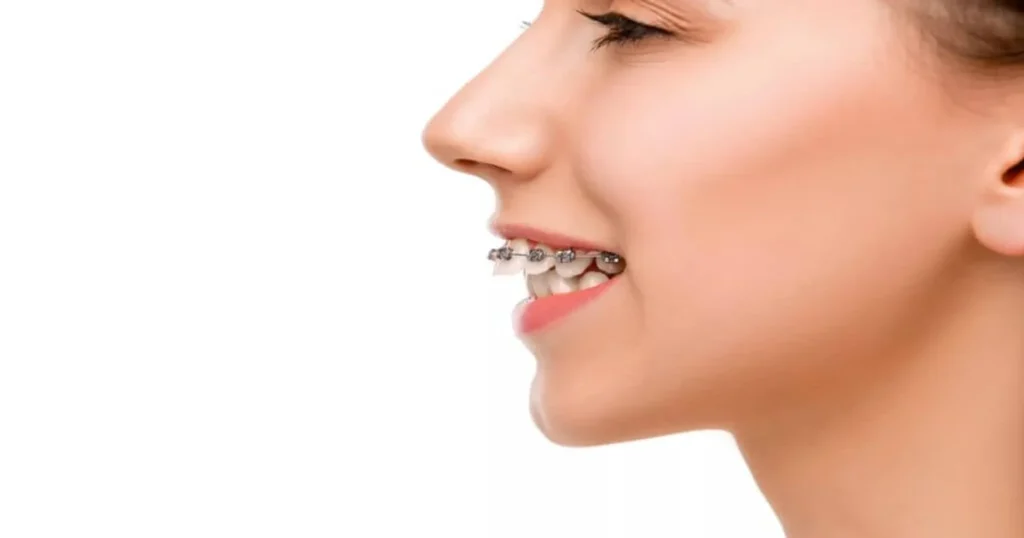
What is an overjet? It is a type of malocclusion where the upper front teeth stick out horizontally beyond the lower front teeth, sometimes described as “buck teeth.” Overjet can develop from genetics, jaw growth, or childhood habits. Below, we explain how it differs from an overbite and how dentists and orthodontic providers correct it.
Overjet vs Overbite: The Difference
Overjet and overbite are often confused, but they describe movement in different directions.
- Overjet is horizontal: the upper front teeth project forward in front of the lower front teeth.
- Overbite is vertical: the upper teeth overlap downward over the lower teeth more than they should.
Both are types of malocclusion, and a person can have both at the same time. The easiest way to remember the difference is: overjet points out; overbite points down. Your dentist measures the relationship between the upper and lower teeth to determine whether the overlap is within a healthy range or needs orthodontic treatment.
What Causes an Overjet?
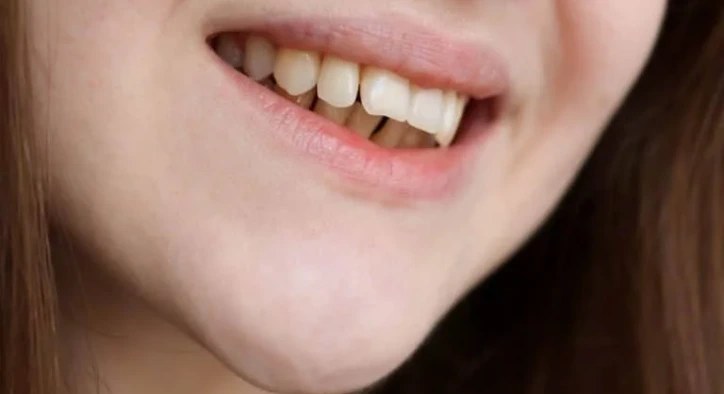
An overjet can develop because of inherited jaw and tooth relationships or because repeated forces gradually push the front teeth forward. In many patients, more than one factor contributes to the final bite.
- Genetics and jaw shape can affect how far forward the upper jaw or upper teeth sit relative to the lower teeth.
- Persistent thumb or finger sucking beyond the early childhood years can apply repeated forward pressure to developing front teeth.
- Long-term tongue thrusting can place continual pressure behind the upper incisors and contribute to changes in tooth position.
- Prolonged pacifier or soother habits may influence developing tooth and jaw relationships when they continue beyond the expected early-childhood period.
- Certain prolonged sucking habits involving bottles or spouted cups may also affect developing teeth when they continue well beyond infancy.
Many overjets begin while the teeth and jaws are still developing. That is one reason early orthodontic assessment can be valuable: certain problems may be easier to guide while a child is still growing rather than waiting until adulthood.
Why an Overjet Is Worth Treating
An overjet is not necessarily just an appearance issue. Upper front teeth that project forward are more exposed during falls, sports injuries, and other accidents, making them easier to chip or fracture.
An overjet is not necessarily just an appearance issue. Upper front teeth that project forward are more exposed during falls, sports injuries, and other accidents. According to the Canadian Dental Association’s orthodontics guidance, teeth that protrude are more likely to be chipped or broken, which is one reason a noticeable overjet may need treatment beyond cosmetic concerns. A more pronounced overjet can also make it difficult to close the lips comfortably and may interfere with biting, chewing, or speech.
A more pronounced overjet can also make it difficult to close the lips comfortably and may interfere with biting, chewing or, in some cases, speech. Some patients also experience irritation from accidentally biting the cheeks or lips. Treatment therefore focuses on protection and function as well as appearance. The importance of correction depends on how severe the overjet is and how it affects the individual patient.
How an Overjet Is Fixed
Overjet treatment depends on whether the problem is primarily caused by tooth position, jaw relationships, or a combination of both. Age also matters because children who are still growing may have treatment options that are not available once jaw growth is complete.
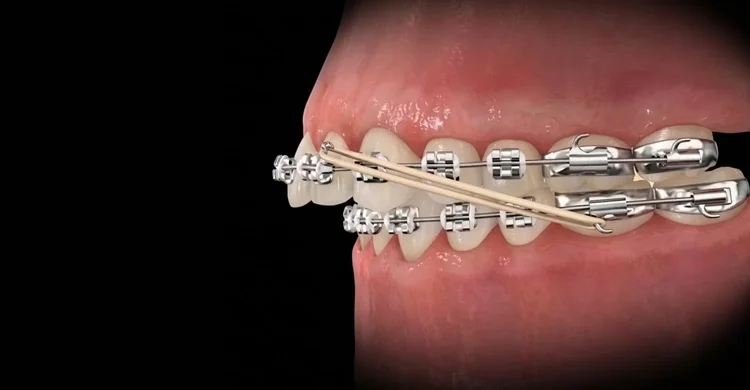
For many teenagers and adults, braces or clear aligners can gradually move protruding front teeth into a healthier relationship with the lower teeth. Suitable cases may be corrected using Invisalign treatment in Scarborough, while conventional braces in Scarborough provide precise control for a wide range of bite problems. Lawrence Dental Centre notes that its Invisalign service can address bite concerns including overbite and other forms of misalignment.
In growing children, orthodontic treatment may sometimes include appliances that help guide tooth movement or jaw growth while development is still occurring. The CDA notes that interceptive orthodontics can sometimes treat or stop a developing bite problem before all permanent teeth have erupted.
For severe skeletal overjet caused by a substantial difference in jaw position, orthodontics alone may not fully correct the underlying problem. In selected adult cases, orthodontic treatment may be combined with corrective jaw surgery. An orthodontic examination is therefore essential for determining which approach fits the patient’s age, jaw structure and severity of malocclusion.
Straighten an Overjet in Scarborough
If your upper front teeth noticeably project forward, an assessment can determine whether clear aligners, braces or another orthodontic approach is appropriate. Lawrence Dental Centre provides orthodontic treatment in Scarborough for children, teenagers and adults and offers both traditional braces and Invisalign. The clinic accepts CDCP and provides direct billing for eligible coverage.
The right treatment depends on more than how the teeth look. Your dentist needs to evaluate the bite, jaw relationship, amount of overjet, and stage of growth before recommending a plan.
Find Out Which Treatment Fits Your Bite
Lawrence Dental Centre provides orthodontic assessments for Scarborough patients with protruding teeth, overjet, and other bite concerns. Whether clear aligners or braces are more appropriate depends on your age, tooth position and jaw relationship, so a clinical assessment is the best place to start.
Conclusion
An overjet occurs when the upper front teeth project too far forward relative to the lower teeth. Unlike an overbite, which describes excessive vertical overlap, an overjet is primarily a horizontal bite problem. Genetics, jaw development, and childhood oral habits can all contribute.
Treatment is worthwhile when the overjet affects function, increases the risk of dental trauma or creates a concern for the patient. Braces and clear aligners can correct many cases, while growing children or severe skeletal cases may require a different orthodontic approach.
FAQ
Overjet is commonly confused with overbite, and treatment varies considerably depending on age and severity. These answers cover the questions patients most often ask before an orthodontic assessment.
What is an overjet?
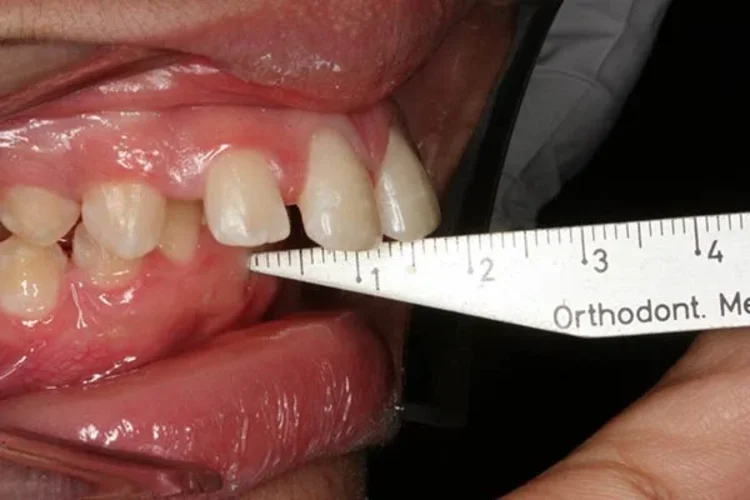
An overjet is the horizontal distance between the upper and lower front teeth when the upper teeth protrude farther forward than they should. It is a type of malocclusion or misaligned bite.
What is the difference between an overjet and an overbite?
Overjet describes horizontal protrusion of the upper front teeth, while overbite describes excessive vertical overlap of the upper teeth over the lower teeth. A simple way to remember it is: overjet points out, overbite points down.
Is an overjet the same as buck teeth?
“Buck teeth” is an informal term often used to describe a noticeable overjet. The clinical term is overjet, which describes upper front teeth that protrude forward beyond the lower front teeth.
What causes an overjet?
Possible causes include inherited jaw or tooth relationships, prolonged thumb sucking or pacifier use, and tongue thrusting. The exact cause varies from patient to patient and may involve both tooth position and jaw development.
Can Invisalign fix an overjet?
Clear aligners can correct many tooth-related overjets by gradually moving the front teeth into better alignment. However, severe skeletal overjet or more complicated bite problems may require braces, additional orthodontic appliances, or, rarely, jaw surgery.
Should an overjet be treated in childhood or adulthood?
Both children and adults can receive treatment. Early evaluation may be particularly helpful when jaw growth or childhood habits are contributing because some developing bite problems can be guided while the child is still growing. Adults can also achieve substantial correction with orthodontic treatment.
Is an overjet only a cosmetic problem?
No. Protruding front teeth are more vulnerable to dental trauma and may also affect lip closure, chewing, or speech depending on severity. Treatment can therefore improve function and protection as well as appearance.
Have you ever been told you have an overjet or overbite and wondered what the difference was?
Share your questions or experience below
Your comment may help another patient understand their bite more clearly.
