
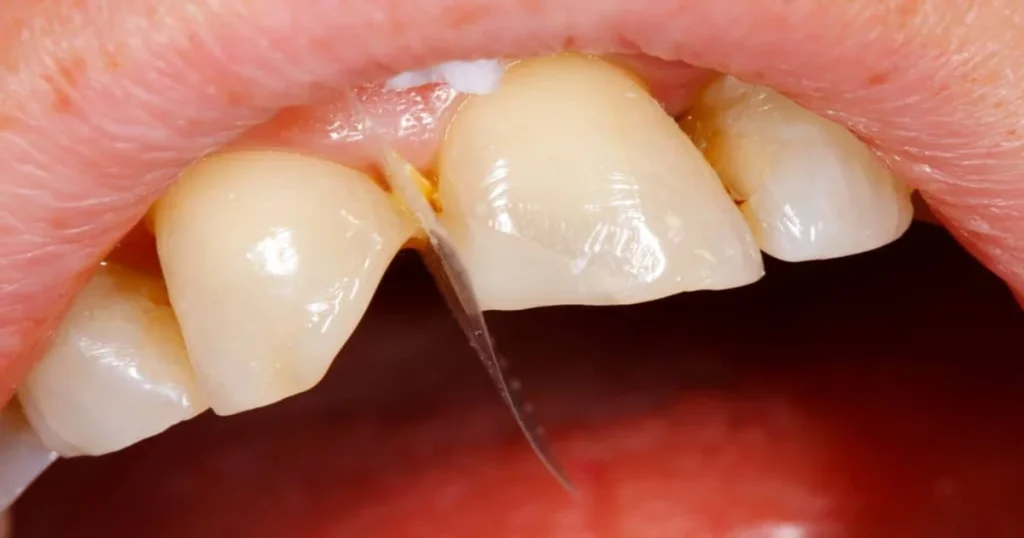
A tooth fracture can range from a harmless surface line in the enamel to a serious crack that reaches the tooth root. Knowing the difference between a craze line, cracked tooth, split tooth, and other fracture types helps you understand when monitoring is enough and when professional treatment is needed.
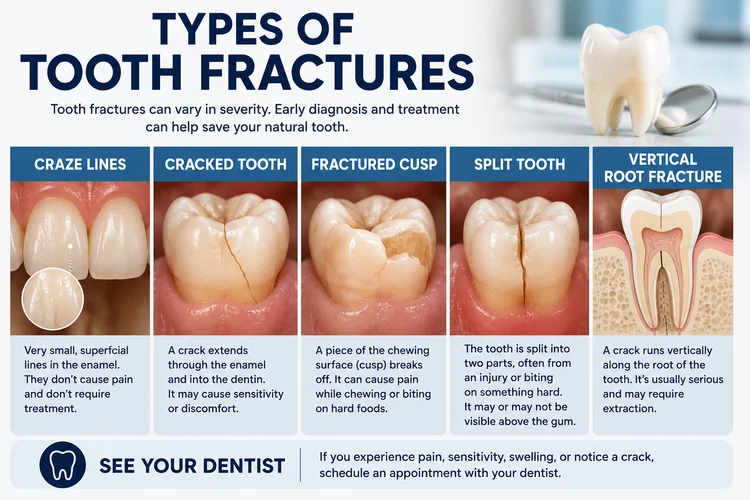
Craze Lines
Craze lines are the mildest type of tooth fracture and involve only the outer layer of the tooth, known as enamel. These tiny surface cracks are extremely common in adults and usually do not cause pain, sensitivity, or functional problems. They often appear on front teeth and may become more noticeable over time.
In most cases, craze lines do not require treatment beyond monitoring during regular dental checkups. If someone is concerned about appearance, a dentist may discuss cosmetic options to improve the look of the enamel.
Unlike deeper fractures, craze lines do not extend into the inner tooth structure or affect the tooth pulp.
Fractured Cusp
A fractured cusp occurs when a small piece of the chewing surface of a tooth breaks away, commonly around an older dental filling. Because this type of fracture usually does not extend into the centre of the tooth, many patients experience little or no pain.
The cusp is the raised portion of a back tooth used during chewing, and damage in this area can weaken the overall tooth structure. Treatment depends on how much tooth structure remains and may involve repairing the area with a filling or protecting the tooth with a dental crown.
A crown can help hold the remaining tooth together and reduce the risk of further breakdown when a large portion of the tooth has been weakened.
Cracked Tooth
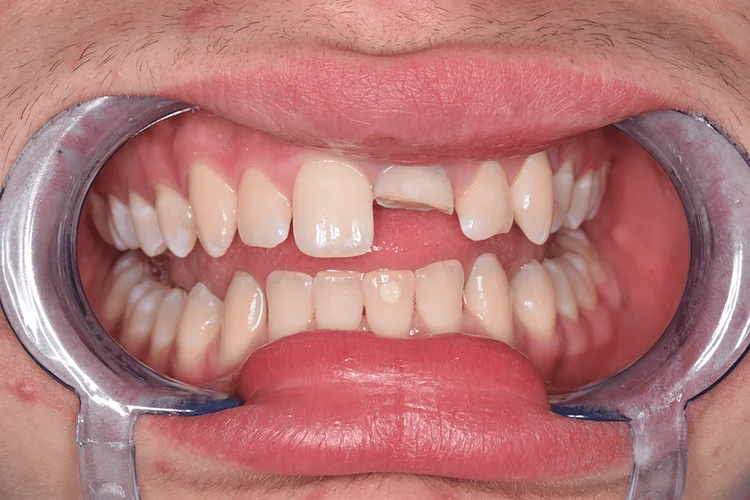
A cracked tooth is a fracture that extends from the chewing surface toward the root. This type of fracture can be more serious because the crack may gradually spread deeper into the tooth structure. A common symptom is sharp pain when biting down or, especially, when releasing the bite.
Unlike craze lines, a cracked tooth may eventually affect the tooth pulp, the living tissue inside the tooth. When diagnosed early, many cracked teeth can still be protected and restored. Treatment often involves strengthening the tooth with a crown, and if the crack reaches the nerve, root canal treatment may be needed to remove infected or damaged pulp.
A dental evaluation is important because delaying treatment can allow the fracture to progress.
Split Tooth
A split tooth occurs when an untreated cracked tooth separates into two or more distinct segments. At this stage, the fracture has progressed beyond a simple crack, and the tooth structure may no longer function as a single unit.
Unfortunately, many split teeth cannot be fully saved because the crack extends through different parts of the tooth. Depending on the fracture’s location and severity, a dentist may recommend removing the damaged portion or extracting the entire tooth.
After extraction, the missing tooth can often be replaced with options such as a dental implant or another tooth replacement solution. If removal is required, tooth extraction in Scarborough can help prevent infection and protect surrounding teeth.
Vertical Root Fracture
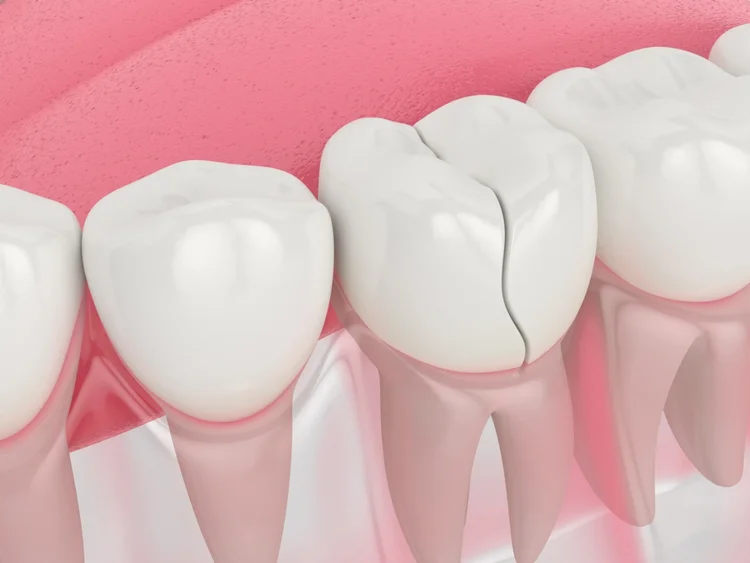
A vertical root fracture is a crack that begins in the root of the tooth and extends upward toward the crown. Unlike many surface fractures, these cracks can develop with very few noticeable symptoms at first.
Patients may only discover a vertical root fracture after experiencing gum inflammation, swelling, or infection around the affected tooth. Because the fracture begins below the visible crown of the tooth, repairing it is often difficult.
In many cases, treatment involves removing the affected tooth to prevent ongoing infection and bone damage. Early diagnosis is important because symptoms can sometimes resemble those of gum disease or other dental problems.
How Fractures Are Diagnosed
Diagnosing a tooth fracture can be challenging because many cracks do not appear clearly on traditional dental X-rays. Dentists usually combine several methods to identify the location and severity of the damage.
The evaluation may include your description of when the pain occurs, a bite test, magnification, dental dye, and imaging when needed. A crack that hurts when you bite down and release pressure may provide different clues than constant pain.
Explaining exactly when the tooth hurts, whether it occurs during chewing, when releasing a bite, or with temperature changes, helps your dentist narrow down the possible causes and choose the right treatment approach.
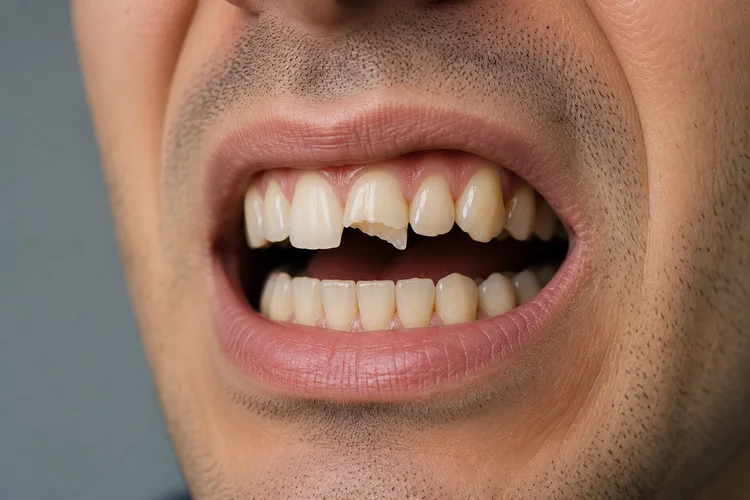
When a Cracked Tooth Is an Emergency
Some tooth fractures require urgent dental attention, especially when they involve infection, severe pain, or facial swelling. Seek emergency care if you experience:
- Constant, severe tooth pain that does not improve with normal pain relief methods.
- Swelling around the tooth or gums that may indicate inflammation or infection.
- Tooth pain combined with fever, which can be a warning sign of a spreading infection.
- A tooth broken due to an accident or injury, especially if the tooth has moved or exposed inner tissue.
Swelling combined with fever should be treated as a same-day concern. If you experience these symptoms, contact emergency dental care in Scarborough as soon as possible.
As the Cleveland Clinic truly states, without treatment, a cracked tooth may lead to an infection (tooth abscess) that may cause serious health issues.
Do Not Wait Until a Small Crack Becomes a Bigger Problem
Lawrence Dental Centre can evaluate tooth fractures, identify the cause of your symptoms, and recommend the right treatment. If you notice pain when biting, sensitivity, or visible damage, schedule an appointment in Scarborough before the fracture progresses.
Get a Cracked Tooth Checked in Scarborough
A cracked tooth is easier to treat when diagnosed early. Lawrence Dental Centre provides emergency dental appointments, crowns, root canal treatment, extractions, and implants for patients in Scarborough and nearby areas. The clinic is located at 1720 Lawrence Ave E, accepts CDCP with direct billing, and provides care in English and Farsi.
Whether the fracture is minor or affecting deeper tooth structures, an examination can determine whether the tooth can be protected or requires another solution. The sooner a crack is assessed, the better the chance of preserving the natural tooth.
Conclusion
Tooth fractures are not all the same. Craze lines may only affect the enamel, while cracked teeth, split teeth, and root fractures can threaten the long-term survival of the tooth if ignored.
Understanding the type of fracture helps you know when monitoring is enough and when treatment is necessary. Because many cracks are difficult to see without a professional evaluation, early assessment is the best way to protect your oral health.
FAQ
What are the different types of tooth fractures?
Common tooth fracture types include craze lines, fractured cusps, cracked teeth, split teeth, and vertical root fractures. They differ based on how deep the crack extends and whether it affects the tooth pulp or root.
What is the difference between craze lines and a cracked tooth?
Craze lines are small surface cracks limited to the enamel and usually do not cause symptoms. A cracked tooth extends deeper into the tooth and may cause sharp pain when biting or releasing pressure.
Can a cracked tooth heal on its own?
No. Teeth cannot naturally repair a structural crack. Some minor enamel lines may simply be monitored, but deeper cracks usually require dental treatment to prevent worsening.
When is a cracked tooth an emergency?
A cracked tooth becomes urgent when it causes severe ongoing pain, swelling, fever, signs of infection, or results from a dental injury. These situations require prompt professional assessment.
How do dentists find a crack that does not show on an X-ray?
Dentists use multiple methods, including your symptom history, bite tests, magnification, dental dye, and other imaging when needed. Many cracks are diagnosed by combining several findings rather than relying on one test.
Does a cracked tooth always need a root canal?
No. A cracked tooth does not always require root canal treatment. If the fracture has not reached the pulp, the tooth may only need protection with a restoration such as a crown. Root canal treatment is considered when the nerve is affected.
Can a split tooth be saved?
Sometimes only part of a split tooth can be preserved, but many split teeth cannot be repaired completely because the fracture separates the tooth structure. Replacement options may be discussed after removal if needed.
Have you ever noticed a crack in your tooth and wondered whether it was serious?
Share your experience or questions below
