
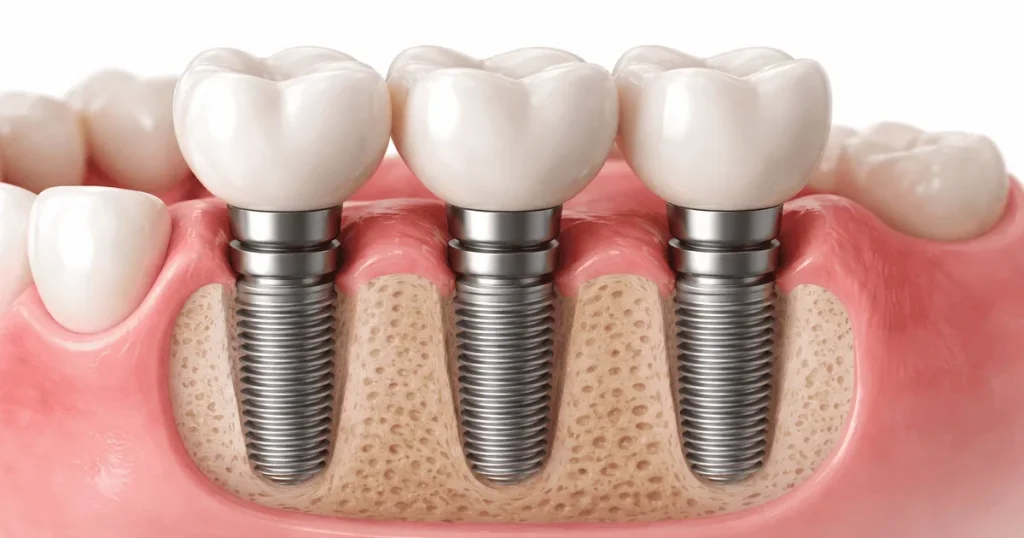
Alternatives to dental implants include bridges, dentures, flippers, and resin-bonded bridges. People often consider them because implants cost more, involve surgery, or require enough jawbone. This guide compares each option honestly, including its limitations and the situations in which a dental implant remains the better choice.
Dental Bridge
A dental bridge is a fixed replacement that places an artificial tooth in the gap and anchors it to healthy abutment teeth on either side. It is often suitable when one tooth, or a few neighbouring teeth, are missing and the supporting teeth are strong enough to hold the restoration.
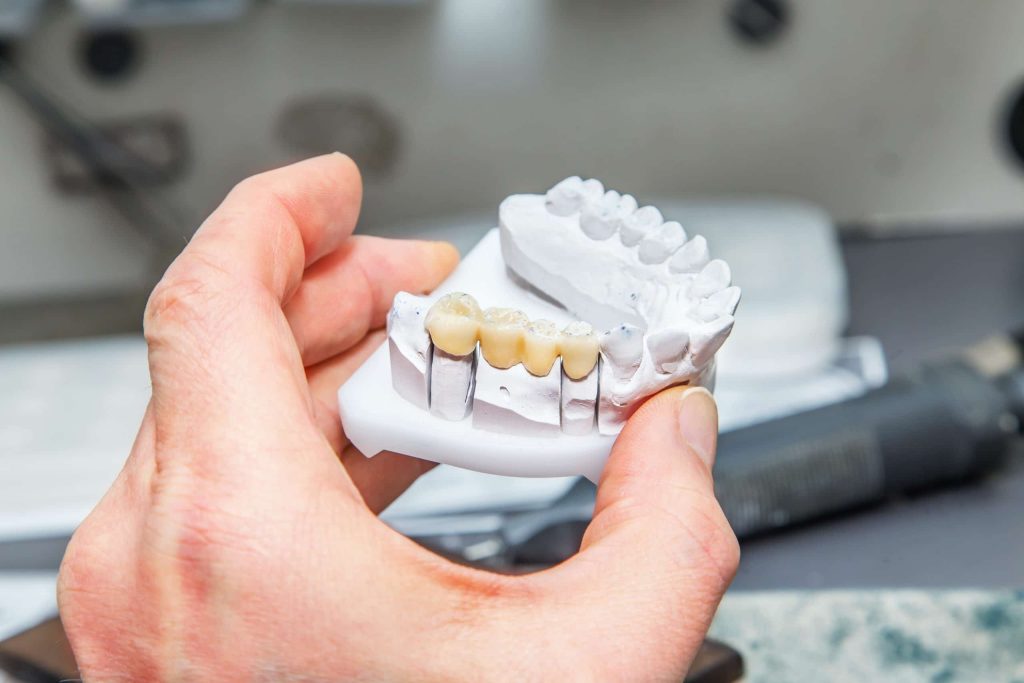
A traditional bridge restores chewing and appearance without implant surgery, but the neighbouring teeth usually need to be reshaped and covered with crowns. It also replaces only the visible tooth, not its root, so it does not prevent bone resorption beneath the empty space.
Partial and Full Dentures
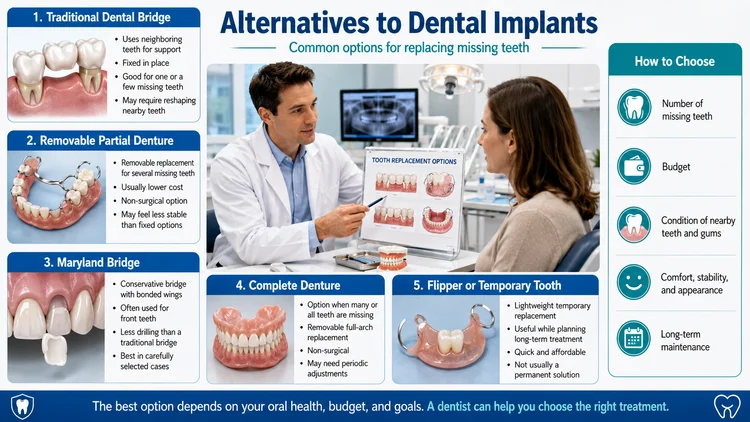
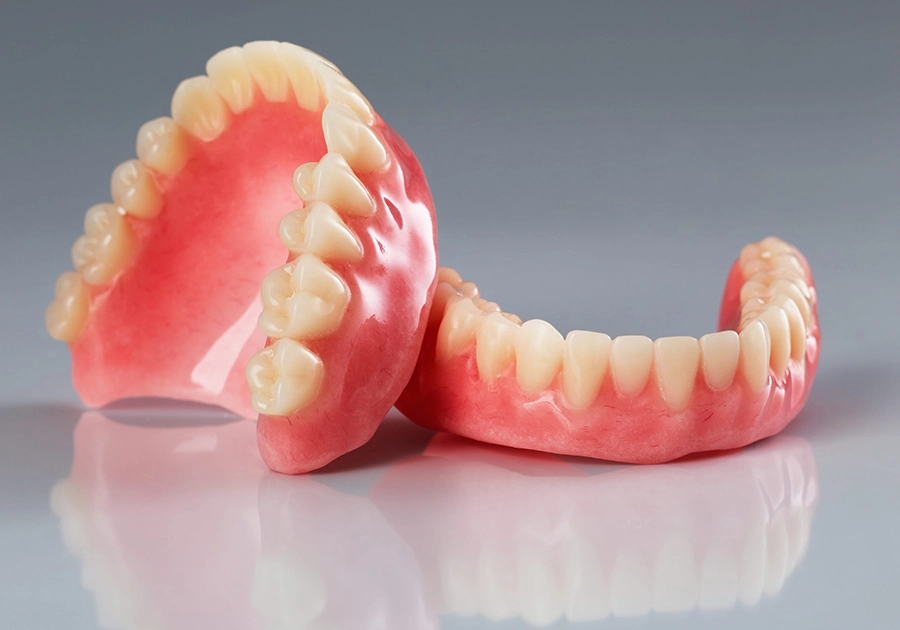
Partial and complete dentures are removable replacements for several missing teeth or an entire arch. A partial denture uses clasps or other attachments to gain support from the remaining natural teeth, while a complete denture rests on the gums when all teeth are missing. Dentures usually have the lowest initial cost and avoid implant surgery, making them a practical option for extensive tooth loss. However, they can move during eating or speaking, require daily removal and cleaning, and may need a denture reline as the gums and underlying ridge change after tooth loss.
A Flipper Tooth for Temporary Replacement
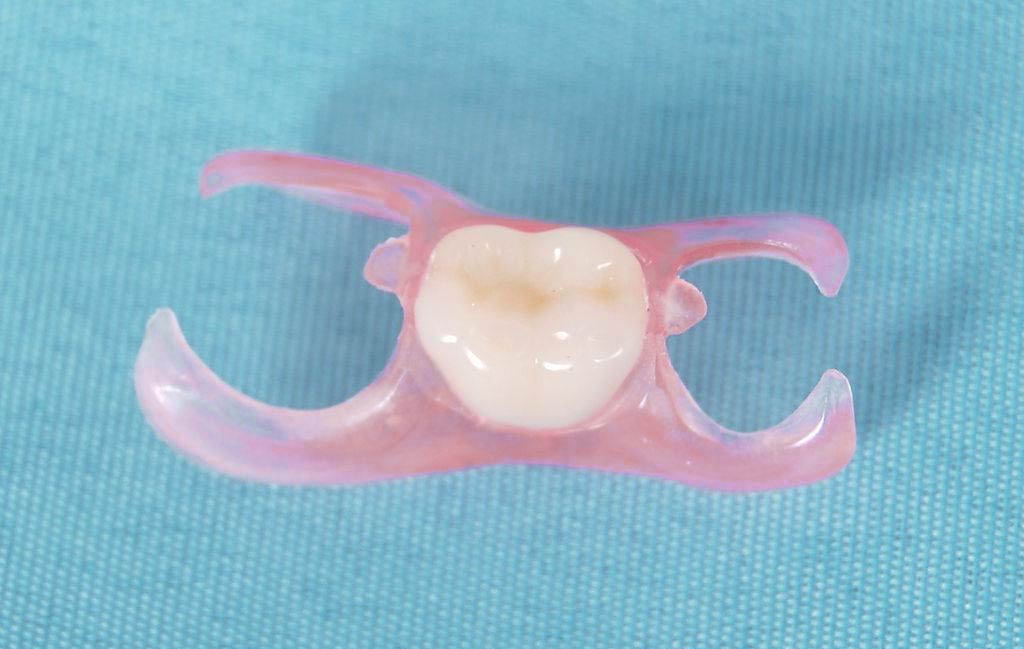
A flipper tooth is a lightweight, removable temporary partial denture that usually replaces one or a small number of missing teeth. It can quickly improve appearance while the gums heal or while a patient prepares for a bridge or implant. Its relatively low cost makes it a common short-term solution, especially for a visible front-tooth gap. However, a flipper is not designed to provide the stability, chewing strength, or durability of a permanent restoration, and it may become loose or uncomfortable with prolonged daily use.
A Resin-Bonded or Maryland Bridge
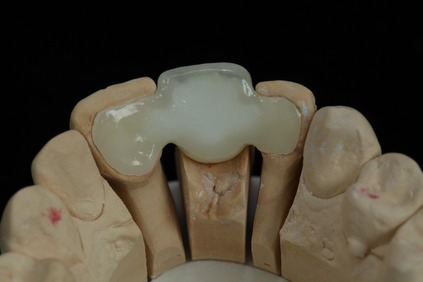
A Maryland bridge replaces a missing tooth with an artificial tooth attached to thin metal or ceramic wings. These wings are bonded to the backs of the neighbouring teeth with dental resin, so much less natural enamel needs to be removed than with a conventional bridge. It is most commonly considered for a single missing front tooth with healthy adjacent teeth. Because it relies mainly on adhesive bonding, it is generally less suited to areas exposed to heavy chewing forces and may loosen or debond more readily than a traditional bridge.
How the Options Compare
Each missing-tooth treatment solves a different problem. The following comparison shows where each option generally fits and whether it replaces the missing root or helps maintain the jawbone.
| Option | Best For | Removable? | Protects Jawbone? |
|---|---|---|---|
| Dental implant | A single tooth or several teeth, long term | No | Yes |
| Dental bridge | One or a few teeth with healthy neighbours | No | No |
| Partial or full denture | Many or all missing teeth | Yes | No |
| Flipper | A short-term gap | Yes | No |
| Maryland bridge | A single front tooth | No | No |
Implants are different from the other options because they are placed in the jaw and replace the missing tooth root. Bridges and dentures restore the visible teeth and improve function, but they do not provide the same root-level stimulation to the underlying bone.
Healthline has also talked about this:
“Choosing the right solution depends on several factors, such as price, preference, and the health of your jawbone and remaining teeth.”
When an Implant Is Still the Better Choice
Alternatives usually cost less upfront and may avoid surgery, but only a dental implant replaces the missing root. The implant bonds with the jawbone through osseointegration, creating a stable foundation for a crown, bridge, or denture. For a single missing tooth in an otherwise healthy mouth, this often makes an implant the longest-lasting and most independent solution because adjacent teeth do not need to be filed down. If the jawbone is too thin, bone grafting for implants may sometimes rebuild enough support for placement. The cheapest option today is not always the least expensive choice over ten years.
If you prefer to have dental implants but are not sure about your candidacy, we have prepared a free, quick dental implant candidacy quiz. You can answer 9 questions in less than 2 minutes and get an initial insight. It doesn’t substitute an in-person consultation, but it works well as a pre-approval stage.
Which Option Is Right for You?
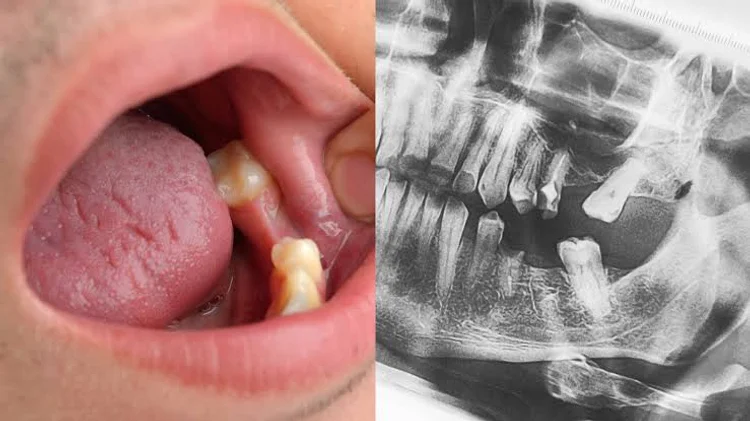
The right solution depends on how many teeth are missing, the health of the neighbouring teeth, available jawbone, your medical history, budget, and whether you are comfortable with surgery. Lawrence Dental Centre provides consultations for dental implants, dental bridges, and removable tooth-replacement options for patients in Scarborough and nearby communities. The clinic accepts CDCP, offers direct billing, and supports patients in English and Farsi. A dental examination and appropriate imaging are the only reliable ways to determine which treatment will function safely in your mouth.
Replace Missing Teeth With a Solution That Fits You
Lawrence Dental Centre can assess your teeth, gums, jawbone, and treatment goals before comparing implants, bridges, and removable alternatives. Book a consultation at the Scarborough clinic to receive a clear explanation of your options, expected costs, and any CDCP or insurance coverage that may apply.
Conclusion
There is no single best alternative to dental implants for every patient. A bridge may offer a stable fixed solution, dentures can replace extensive tooth loss affordably, a flipper can temporarily fill a gap, and a Maryland bridge may preserve more of the neighbouring front teeth.
The right decision should balance immediate cost with comfort, maintenance, bone health, and long-term durability. A professional examination helps you avoid choosing an option that appears convenient now but does not adequately support your bite or future oral health.
Frequently Asked Questions
Patients often want to know whether they can avoid implant surgery without compromising comfort or function. These answers cover the most common questions about dental implant alternatives.
What is the cheapest way to replace a missing tooth?
A flipper or removable partial denture often has the lowest initial cost. However, it may be temporary, less stable, and require future adjustment or replacement, so the lowest upfront price is not always the lowest long-term cost.
Is a bridge better than an implant?
A bridge may be preferable when you want to avoid surgery, have suitable neighbouring teeth, or need treatment completed more quickly. An implant avoids filing down healthy adjacent teeth and replaces the missing root, which may make it the strongest long-term choice in an appropriate candidate.
Can I replace teeth without surgery?
Yes. Traditional bridges, Maryland bridges, partial dentures, complete dentures, and flippers can replace missing teeth without implant placement. Some options still require tooth preparation, impressions, and several dental appointments.
Does the CDCP cover dentures or implants?
The CDCP may cover standard or temporary complete dentures, denture repairs and relines, and certain partial dentures. Some removable denture services require preauthorization. Dental implants and implant-supported dentures are excluded from CDCP coverage, so patients should confirm approval and possible out-of-pocket charges before treatment.
What can I do if I do not have enough bone for an implant?
Limited bone does not automatically rule out implant treatment. Depending on the location and extent of bone loss, your dentist may consider bone grafting, a sinus lift, a different implant size or position, or a non-implant alternative such as a bridge or denture.
How long do dentures and bridges last compared with implants?
A bridge may last approximately 5 to 15 years with good care, although its lifespan depends heavily on the supporting teeth and oral hygiene. Dentures often need periodic relining as the mouth changes and may eventually need replacement, while a successfully integrated implant can remain functional much longer when the surrounding gums and bone stay healthy.
What is a flipper tooth?
A flipper is a removable temporary partial denture, usually made from acrylic, that fills a visible gap while the mouth heals or while a permanent replacement is being planned. It is lightweight and relatively affordable but is not intended to function as a permanent long-term tooth replacement.
Are you deciding between an implant, bridge, or removable denture?
Share what matters most to you: cost, avoiding surgery, comfort, or long-term durability
In the comments below.